
7 Ayurvedic Spices for Everyday Cooking
If you’ve ever wondered why food cooked at home by your mother or grandmother feels so comforting, the secret is not only love — it’s also the timeless Ayurvedic spices they add effortlessly.
These spices are more than flavor enhancers.
They are natural medicines, full of healing energy, digestive power, and life-force (prana). Ayurveda calls spices “the heart of sattvic cooking” — ingredients that keep your body light, your mind calm, and your energy stable.
Today, let’s explore 7 Ayurvedic spices you should use daily — not just to make your food taste better, but to live a more vibrant, energetic, and healthier life.
This blog is written in a warm, storytelling, human tone — just like a friend sharing simple wisdom with you.
A Short Story Before We Begin…
A few years ago, I had terrible acidity, low energy, and constant bloating — especially after regular Indian meals. I tried medicines, tonics, and even avoided my favorite foods. Nothing worked for long.
Then one day, my grandmother said something beautifully simple:
“Beta, tum mirch masala mat hatao — sahi masale jodo.”
(“Don’t remove spices from life — add the right ones.”)
That single sentence made me curious.
She taught me how everyday spices like jeera, haldi, ginger, and ajwain can heal the stomach, improve metabolism, and even enhance emotional well-being. Within a month of adding these spices intentionally, I felt lighter, happier, and more active.
And today, I want to share the same wisdom with you.
Let’s begin.
1. Turmeric (Haldi) — The Golden Healer
Turmeric isn’t just a spice — it is a superhero in yellow.
Ayurveda calls it:
“Haridra – the one that steals away disease.”
Ayurvedic Benefits
- Reduces inflammation
- Strengthens immunity
- Heals digestion
- Purifies blood
- Improves skin glow
- Balances all three doshas (Vata, Pitta, Kapha)
How to Use Daily
✔ Add ½ tsp to dal, sabzi, or soups
✔ Mix in warm milk (Haldi doodh) before sleep
✔ Add to detox morning water
Pro tip
If you add a pinch of black pepper with turmeric, its healing power increases 10 times.
2. Cumin (Jeera) — The Digestion Master
If there is one spice that every household must never run out of, it’s jeera.
Ayurveda says jeera lights the digestive fire — Agni.
Without Agni, no health is possible.
Ayurvedic Benefits
- Removes gas and bloating
- Improves nutrient absorption
- Helps in weight loss
- Reduces acidity
- Enhances metabolism
How to Use Daily
✔ Add to tadka for dal & sabzi
✔ Drink warm jeera water in the morning
✔ Use roasted jeera powder on salads & curd
Pro Tip
Jeera is best for people with Pitta imbalance and acidity issues.
3. Ginger (Adrak/Sonth) — The Universal Medicine
Ayurveda lovingly calls ginger:
“Maha-aushadhi” — The Great Medicine
It is warming, stimulating, and deeply detoxifying.
Ayurvedic Benefits
- Treats nausea and indigestion
- Boosts appetite
- Improves circulation
- Balances Vata and Kapha
- Reduces mucus and cough
How to Use Daily
✔ Add fresh ginger to tea
✔ Use in sabzis, soups, dal tadka
✔ Drink ginger-honey water for fat loss
Pro Tip
People with excessive heat (Pitta) should avoid too much ginger in summer.
How Daily Habits Can Change Your Life
4. Ajwain (Carom Seeds) — The Gas & Acidity Fixer
If your stomach frequently feels heavy, swollen, or acidic, this is your spice.
Ajwain is considered a natural deepan-pachan herb — it ignites digestion.
Ayurvedic Benefits
- Clears gas
- Reduces acidity
- Strengthens digestion
- Relieves stomach pain
- Improves metabolism
How to Use Daily
✔ Put ½ tsp ajwain in tadka
✔ Add to roti dough
✔ Drink warm ajwain water after meals
Pro Tip
Chewing a pinch of ajwain + black salt after meals works like magic.
5. Black Pepper (Kali Mirch) — The Bioavailability Booster
Black pepper is small but mighty.
Ayurveda says it is “Deepaniya” — enhances digestion and improves absorption of nutrients.
Ayurvedic Benefits
- Enhances metabolism
- Clears mucus
- Boosts immunity
- Improves nutrient absorption
- Supports respiratory health
How to Use Daily
✔ Sprinkle on soups, salads, eggs
✔ Use in masala chai
✔ Mix with turmeric + ghee for immunity
Pro Tip
Black pepper stimulates the mind — great for focus and energy.
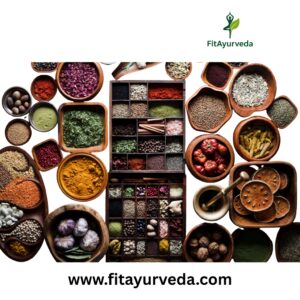
6. Fenugreek (Methi) — The Metabolism Regulator
Methi seeds are bitter, but their benefits are beautifully sweet.
Ayurvedic Benefits
- Controls blood sugar
- Improves metabolism
- Reduces body inflammation
- Enhances hair growth
- Good for acidity
How to Use Daily
✔ Soak methi seeds overnight and drink water
✔ Use in tadka, parathas, curries
✔ Add methi powder to buttermilk
Pro Tip
Methi balances Vata and Kapha effectively.
7. Coriander (Dhaniya) — The Cooling Detoxifier
Coriander is light, refreshing, and amazing for digestion.
Ayurveda calls it “Tridoshic”, meaning it suits everyone.
Ayurvedic Benefits
- Detoxifies the body
- Cools down acidity
- Aids digestion
- Improves skin health
- Reduces water retention
How to Use Daily
✔ Add fresh coriander leaves to meals
✔ Use dhaniya seeds in tadka
✔ Drink coriander seed water for acidity
Pro Tip
For summer heat & Pitta imbalance, coriander is the best spice.
How These 7 Spices Transform Everyday Cooking
When used daily, these Ayurvedic spices:
✔ Improve metabolism
✔ Reduce bloating, gas & acidity
✔ Strengthen immunity
✔ Enhance flavor without heaviness
✔ Balance doshas naturally
✔ Support weight loss
✔ Improve skin & energy
You don’t need supplements — your kitchen is already a pharmacy.
Sample Ayurvedic Spice-Rich Meal Plan
Morning
- Warm water + lemon + a pinch of turmeric
- Breakfast: Upma/Poha with jeera, ginger, coriander
Lunch
- Dal tadka with haldi, jeera, black pepper
- Sabzi cooked in ginger & coriander
- Roti with a pinch of ajwain
Evening
- Ginger tea with black pepper
- Roasted chana or fruits
Night
- Light khichdi with turmeric, jeera & coriander
- Warm haldi milk before bed
Ayurveda’s Golden Rule for Using Spices
“Right spice, right quantity, right time — creates right health.”
Ayurveda does not ask you to eat bland food.
It asks you to eat smart, balanced, and mindful food.
And these seven spices can make every meal healing.
Checkout this spices in Ayurveda
Final Thoughts
Cooking is not just a task — it is a form of self-care.
When you consciously choose spices that heal your body, your kitchen becomes a temple, and your food becomes medicine.
Start with one spice today.
Add two tomorrow.
Within a month, your energy, digestion, skin, and mood will all show visible changes.
Here are 15 highly useful, SEO-friendly FAQs with human-tone answers for your blog “7 Ayurvedic Spices for Everyday Cooking.”
These FAQs are crafted to increase Google ranking, improve user engagement, and provide practical value.
FAQs
1. Which Ayurvedic spices are best for daily cooking?
The best Ayurvedic spices you can use daily are turmeric, cumin, ginger, coriander, black pepper, fenugreek, and ajwain. These spices balance digestion, boost energy, and enhance the flavor and nutrition of your food.
2. How do Ayurvedic spices improve digestion?
Ayurvedic spices strengthen Agni (digestive fire), helping your body break down food better, absorb nutrients efficiently, and prevent gas, bloating, constipation, and acidity.
3. Can I use all seven spices in one day?
Yes, absolutely! These spices are naturally compatible. Most Indian meals already contain a combination of these in tadka, sabzi, soups, or chai.
4. Is turmeric safe for everyday use?
Yes, when taken in small amounts (½ tsp daily). Turmeric naturally reduces inflammation, supports immunity, and maintains joint and skin health.
5. What is the best way to consume cumin (jeera)?
The simplest and most effective method is jeera water on an empty stomach. You can also use it in tadka or sprinkle roasted jeera powder on salads and curd.
6. Can black pepper help with better absorption of turmeric?
Yes! Black pepper contains piperine, which increases turmeric absorption by up to 2000%. That’s why haldi + black pepper is a powerful healing combination.
7. Is ginger good for acidity?
Fresh ginger is excellent for digestion, but people with high Pitta (heat) or frequent acidity should consume it in moderation or choose coriander instead.
8. How does fenugreek (methi) help in weight loss?
Fenugreek seeds regulate blood sugar, improve metabolism, reduce cravings, and prevent overeating — making it ideal for natural weight management.
9. Can I use ajwain daily?
Yes. Ajwain is very effective for gas, heaviness, and acidity. You can add it to roti dough, tadka, or chew a pinch after meals.
10. Are Ayurvedic spices safe for children?
Yes, in small quantities. Turmeric, cumin, coriander, and a very small amount of ginger are safe. Avoid excess chili, pepper, or ajwain for very young kids.
11. Which spice is best for cooling the body?
Coriander is the best cooling spice in Ayurveda. It balances excess heat, acidity, and Pitta imbalance.
12. Which spice is best for boosting energy naturally?
Ginger and black pepper are excellent for improving circulation, enhancing metabolism, and boosting overall vitality.
13. Can these spices help with weight loss?
Yes! Cumin, ginger, black pepper, and fenugreek naturally improve metabolism, digestion, and fat-burning capability — supporting healthy weight loss.
14. How much turmeric is too much?
More than 1 teaspoon per day may cause heat or gastric issues for some people. Stick to ½ tsp daily unless recommended by an expert.
15. Do I need to avoid any spice if I have acidity?
Avoid too much ginger or black pepper if you experience frequent acidity. Choose coriander, cumin, and ajwain, which are soothing for the stomach.
Disclaimer
The information provided in this blog is for educational and informational purposes only. Ayurvedic practices, herbs, and remedies mentioned here are based on traditional knowledge and may not be suitable for everyone. Individual results can vary depending on body type, existing health conditions, and lifestyle.
This content should not be considered medical advice, nor is it intended to diagnose, treat, cure, or prevent any disease. Always consult a qualified healthcare professional or certified Ayurvedic practitioner before starting any new herbal supplement, treatment, or wellness routine—especially if you are pregnant, nursing, taking medications, or have a medical condition.

