
Top 10 Ayurvedic Herbs for Immunity and Wellness
In today’s fast-paced world, where stress, pollution, and a lack of proper nutrition can weaken our immune system, it’s no wonder that more and more people are turning to Ayurveda to boost their immunity and maintain wellness.
What if the key to staying healthy, strong, and energetic lies within the herbs that nature has gifted us? These herbs have been used for centuries in Ayurvedic medicine, and their benefits are not just ancient wisdom — they are scientifically supported and incredibly relevant to our modern lifestyle.
In this blog, we’ll explore the top 10 Ayurvedic herbs that have stood the test of time and are proven to improve immunity, balance the body, and promote overall wellness.
1. Ashwagandha (Withania somnifera) – The Stress Buster
Ashwagandha, often called “Indian ginseng”, is one of the most powerful herbs in Ayurveda. It’s a rasayana (rejuvenating) herb, meaning it helps promote overall vitality and longevity. Ashwagandha is well-known for its ability to reduce stress and anxiety, which directly impacts your immune system.
Health Benefits:
- Boosts immune system function
- Reduces cortisol levels (stress hormone)
- Enhances energy levels and stamina
- Improves mental clarity and focus
- Balances Vata and Pitta doshas
How to Use:
- Take 1 teaspoon of ashwagandha powder in warm milk or water before bed for restful sleep.
- You can also find capsules or tablets in health stores.
2. Tulsi (Ocimum sanctum) – The Holy Basil
Tulsi, also known as Holy Basil, is revered as a sacred herb in Ayurveda. It’s commonly used for its adaptogenic properties, meaning it helps the body adapt to stress. More than just a spiritual herb, Tulsi is packed with antioxidants, essential oils, and compounds that make it a powerhouse for immune health.
Health Benefits:
- Boosts the immune system
- Fights infections and inflammation
- Reduces stress and enhances mood
- Improves respiratory health
- Balances all three doshas, especially Kapha
How to Use:
- Drink Tulsi tea in the morning for a natural immune boost.
- You can chew on fresh leaves or add dried Tulsi powder to your smoothies or soups.
3. Turmeric (Curcuma longa) – The Golden Spice
Turmeric is well-known around the world for its vibrant yellow color and is widely recognized as a superfood. It contains the active compound curcumin, which has potent anti-inflammatory and antioxidant properties.
Health Benefits:
- Enhances immune response
- Fights infections and reduces inflammation
- Detoxifies the body and promotes liver health
- Improves skin health and prevents aging
- Promotes healthy digestion and circulation
How to Use:
- Add 1 teaspoon of turmeric powder to your curries, soups, or warm milk for a natural healing effect.
- Turmeric tea or golden milk is a great way to enjoy its benefits.
4. Amla (Phyllanthus emblica) – The Vitamin C Powerhouse
Amla, also known as Indian gooseberry, is packed with vitamin C — one of the most important nutrients for a strong immune system. This little fruit offers more than just immunity-boosting power; it also supports digestion, skin health, and detoxification.
Health Benefits:
- Rich in Vitamin C, boosts immune function
- Supports heart and liver health
- Improves skin elasticity and glow
- Strengthens hair and nails
- Detoxifies the body and promotes healthy digestion
How to Use:
- Drink Amla juice in the morning for a daily boost.
- You can also take Amla powder mixed with water or add it to smoothies.
5. Giloy (Tinospora cordifolia) – The Immune Booster
Giloy is a widely used herb in Ayurvedic medicine, known for its immunity-boosting properties. It’s considered an excellent adaptogen and is often used to treat fevers, infections, and to strengthen the body’s natural defense system.
Health Benefits:
- Improves immune system response
- Fights infections and viral diseases
- Reduces fever and boosts energy
- Detoxifies the liver and blood
- Promotes digestive health
How to Use:
- You can take Giloy juice or capsules in the morning.
- Giloy powder can be added to warm water or smoothies.
7 Ayurvedic Spices for Everyday Cooking
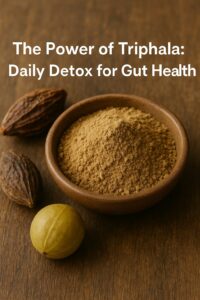
6. Triphala – The Detoxifying Trio
Triphala is a combination of three fruits: Amla, Haritaki, and Bibhitaki. This powerful herbal combination is a natural detoxifier and is often used to cleanse the digestive system and enhance overall health.
 Health Benefits:
 Health Benefits:
- Supports digestion and regular bowel movements
- Detoxifies and cleanses the body
- Strengthens the immune system
- Balances all three doshas
- Improves skin and hair health
How to Use:
- Take 1 teaspoon of Triphala powder before bed with warm water.
- You can also take it in capsule form or as tea.
7. Neem (Azadirachta indica) – The Natural Purifier
Neem is often referred to as the “village pharmacy” because of its many medicinal uses. This herb is a natural purifier, meaning it helps detoxify the body and cleanse the blood, making it excellent for skin, immunity, and overall wellness.
Health Benefits:
- Purifies blood and detoxifies the body
- Boosts immune system function
- Fights infections, bacteria, and viruses
- Supports healthy skin and reduces acne
- Reduces inflammation and skin irritation
How to Use:
- Neem tea can be consumed to purify the blood and support detox.
- Neem oil is great for topical use to treat skin conditions.
8. Shatavari (Asparagus racemosus) – The Female Rejuvenator
Shatavari is often called the “queen of herbs” for women due to its ability to support hormonal balance, fertility, and reproductive health. It also promotes general well-being and boosts immunity.
Health Benefits:
- Balances hormones and promotes reproductive health
- Supports the immune system
- Reduces stress and anxiety
- Improves digestion and absorption
- Enhances vitality and overall energy
How to Use:
- Take Shatavari powder in warm milk or water before bed.
- It is also available in capsule form.
9. Brahmi (Bacopa monnieri) – The Brain Tonic
Brahmi is widely known for its ability to improve mental clarity, focus, and cognitive function. In Ayurveda, it’s often used to boost memory, reduce stress, and promote a peaceful mind, all of which are important for maintaining a strong immune system.
Health Benefits:
- Improves memory and cognitive function
- Reduces stress and enhances mental clarity
- Supports nervous system health
- Boosts immune response
- Reduces anxiety and promotes emotional balance
How to Use:
- Take Brahmi capsules or powder with warm water daily.
- It can also be added to smoothies for a mental boost.
10. Licorice (Glycyrrhiza glabra) – The Soothing Herb
Licorice, or Yashtimadhu, is a soothing herb with potent anti-inflammatory, immune-boosting, and respiratory health properties. It’s an excellent herb for managing stress, digestive health, and chronic conditions.
Health Benefits:
- Supports immune health and balances the endocrine system
- Reduces inflammation
- Soothes digestive issues like acid reflux and ulcers
- Enhances lung health and reduces cough
- Improves energy and vitality
How to Use:
- Licorice tea can be consumed for digestive health.
- Licorice powder can be added to smoothies or warm drinks.
Powerful Ayurvedic Herbs and Spices with Health Benefits
Final Thoughts: Harnessing the Power of Ayurvedic Herbs for Immunity & Wellness
These 10 Ayurvedic herbs are more than just ingredients in your kitchen. They are your natural allies in maintaining health, boosting immunity, and promoting overall wellness. Whether you’re looking to support your immune system during the cold season, manage stress, or improve your skin and digestion, these herbs have a solution for you.
Start small — add one herb at a time to your daily routine and notice the transformation in your energy levels, mood, and vitality. Ayurveda teaches us that balance and consistency are key, so trust the process and let these powerful herbs help you lead a healthier, happier life.
Remember, good health is a journey, and Ayurveda is a beautiful companion on that path.
FAQ
1. What are Ayurvedic herbs and how do they work?
Ayurvedic herbs are plant-based remedies used in traditional Ayurvedic medicine to promote balance and wellness. They work by enhancing the body’s natural healing abilities, balancing the doshas (Vata, Pitta, and Kapha), and improving overall health.
2. Can Ayurvedic herbs really boost immunity?
Yes! Many Ayurvedic herbs, like Ashwagandha, Giloy, and Tulsi, are known for their immune-boosting properties. They help strengthen the body’s defense mechanisms and fight off infections naturally.
3. Are these Ayurvedic herbs safe to use daily?
When used in the right dosage, Ayurvedic herbs are safe for most people. However, it’s important to consult with a healthcare provider before using herbs regularly, especially if you have pre-existing conditions or take medications.
4. How long does it take to see results from using Ayurvedic herbs?
While individual results may vary, most people notice improvements in energy, mood, or immune function within 2–3 weeks of regular use. Full benefits may take 1–2 months to become evident.
5. Can I take Ayurvedic herbs with prescription medications?
It’s important to consult with your doctor before combining Ayurvedic herbs with prescription medications. Some herbs can interact with medications, so a healthcare provider’s advice is essential.
6. How do I consume Ayurvedic herbs?
Ayurvedic herbs can be consumed in various forms:
- Powders (added to smoothies, milk, or water)
- Capsules or tablets
- Tinctures (liquid extracts)
- Herbal teas
- Fresh leaves or extracts
7. What is the best time to take Ayurvedic herbs?
The best time to take Ayurvedic herbs depends on the herb and your individual dosha. Generally, morning is a good time for herbs like Ashwagandha and Turmeric, while others, like Shatavari, are best taken in the evening to support relaxation and hormonal balance.
8. Can Ayurvedic herbs help with stress and anxiety?
Yes! Herbs like Ashwagandha, Brahmi, and Tulsi are adaptogens that help manage stress and anxiety by balancing the nervous system, promoting relaxation, and reducing cortisol levels.
9. Are there any side effects of Ayurvedic herbs?
While Ayurvedic herbs are generally safe, they can cause side effects if taken in excessive amounts or if they interact with medications. For example, excessive licorice can cause high blood pressure, and too much turmeric may irritate the stomach. Always follow recommended dosages.
10. Can Ayurvedic herbs improve skin health?
Yes, many Ayurvedic herbs promote healthy skin. Amla, Neem, and Turmeric have anti-inflammatory, antibacterial, and antioxidant properties that help clear acne, improve skin texture, and slow aging.
11. How do I choose the right Ayurvedic herb for me?
Choosing the right herb depends on your body type (dosha), health goals, and current imbalances. For example, Vata types benefit from warming herbs like Ginger, while Pitta types may need cooling herbs like Coriander. Consulting an Ayurvedic practitioner can help you select the right herbs.
12. Can Ayurvedic herbs help with digestion?
Absolutely! Herbs like Ginger, Ajwain, and Triphala are widely used to promote healthy digestion, alleviate bloating, improve nutrient absorption, and maintain regular bowel movements.
13. What is the best way to store Ayurvedic herbs?
Ayurvedic herbs should be stored in a cool, dry place, away from direct sunlight and humidity. For powders, use airtight containers to prevent moisture. Fresh herbs should be kept in the fridge, and oils should be stored in dark glass bottles.
14. Are Ayurvedic herbs helpful for weight loss?
Yes! Herbs like Triphala, Ginger, and Turmeric can help promote healthy metabolism, support digestion, and reduce inflammation, all of which contribute to weight loss. They also help curb cravings and improve energy levels.
15. Can I use Ayurvedic herbs alongside a healthy diet and exercise?
Definitely! Ayurvedic herbs complement a balanced diet and regular exercise by enhancing the body’s natural processes. When combined with healthy lifestyle choices, these herbs can accelerate recovery, boost immunity, and improve overall wellness.
Disclaimer
The information provided in this blog is for educational and informational purposes only. Ayurvedic practices, herbs, and remedies mentioned here are based on traditional knowledge and may not be suitable for everyone. Individual results can vary depending on body type, existing health conditions, and lifestyle.
This content should not be considered medical advice, nor is it intended to diagnose, treat, cure, or prevent any disease. Always consult a qualified healthcare professional or certified Ayurvedic practitioner before starting any new herbal supplement, treatment, or wellness routine—especially if you are pregnant, nursing, taking medications, or have a medical condition

