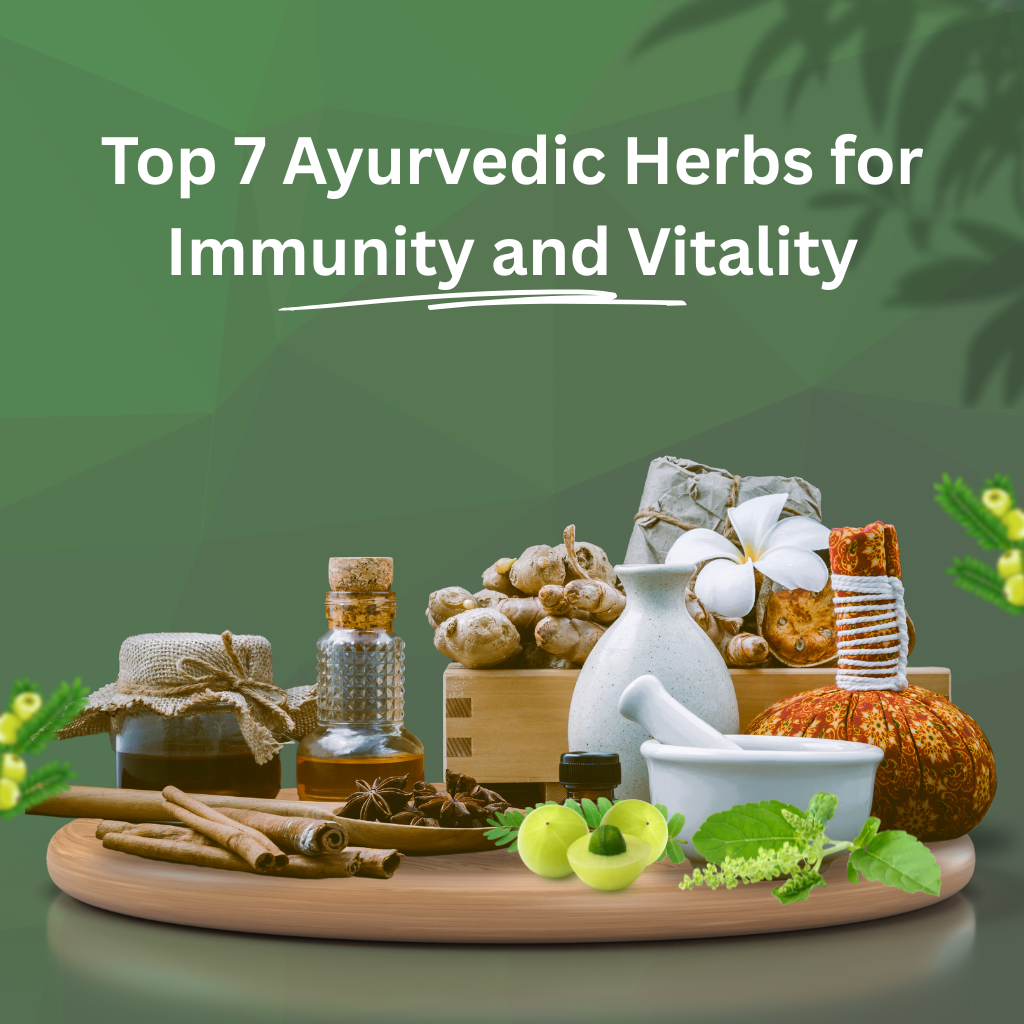
Ayurvedic Kadha for Immunity: Benefits, Recipe, Dosage & Expert Tips
In today’s fast-paced lifestyle, weak immunity has become a growing health concern for people of all age groups. Constant stress, irregular sleep patterns, processed food, lack of physical activity, and increasing exposure to pollution quietly weaken the body’s natural defense system. As a result, many individuals experience frequent colds, cough, sore throat, low energy, slow recovery from illness, and recurring seasonal infections. These symptoms are not random—they are clear signals that the immune system needs deeper, long-term support rather than temporary relief.
Ayurveda, the ancient science of holistic healing, views immunity as the foundation of overall health. Instead of suppressing symptoms, it focuses on strengthening the body from within by improving digestion, removing toxins, and nourishing the vital life force known as Ojas. One of the most trusted and time-tested Ayurvedic remedies for building natural immunity is Ayurvedic Kadha for Immunity.
Prepared using powerful herbs like tulsi, giloy, ginger, turmeric, and mulethi, kadha has been used for centuries in Indian households as a daily protective drink—especially during seasonal changes, weak immunity, and recurring respiratory issues. Far more than a simple home remedy, kadha is a therapeutic Ayurvedic formulation designed to restore balance, enhance resistance to infections, and support long-term wellness.
When prepared and consumed correctly, Ayurvedic kadha works gently yet effectively, making it suitable for people seeking a safe, natural, and sustainable way to boost immunity. In this guide, we will explore how Ayurvedic kadha works, its key ingredients, the correct preparation method, ideal dosage, and important precautions, so you can use this traditional remedy confidently and safely for long-term immune strength.
Read More: Top 5 Ayurvedic Remedies for Common Cold and Cough
What Is Ayurvedic Kadha?
Ayurvedic Kadha, also known as Kashayam in classical Ayurvedic texts, is a traditional herbal decoction prepared by slowly boiling medicinal herbs in water until their active compounds are fully extracted. This method allows the herbs to release their therapeutic properties in a concentrated and easily absorbable form.
Unlike herbal teas, which are usually light and refreshing, kadha is medicinal in nature. It is stronger, warmer, and specifically formulated to support healing and strengthen the body from within. Because it is prepared using heat and time, kadha penetrates deeper into the tissues and acts more effectively on the root cause of imbalance.
In Ayurveda, kadha is designed to:
-
Extract the active compounds of herbs, making them more potent and bioavailable
-
Improve digestion and absorption by strengthening Agni (digestive fire)
-
Strengthen immunity (Ojas), the vital essence responsible for resistance and vitality
-
Balance doshas, especially Kapha and Vata, which are commonly aggravated during seasonal changes
Due to its warming and detoxifying nature, kadha is especially beneficial during cold weather, monsoon season, or whenever the body feels heavy, sluggish, or prone to infections. This is why Ayurvedic kadha has long been recommended for weak immunity, frequent cold and cough, respiratory discomfort, and seasonal illnesses.
According to the Ministry of AYUSH, Ayurvedic formulations like kadha help support immunity by enhancing digestion and removing toxins from the body.
How Ayurvedic Kadha Boosts Immunity
According to Ayurveda, immunity is not limited to fighting infections—it is a reflection of overall balance and strength within the body. Immunity is governed by Ojas, the subtle essence formed when digestion, metabolism, and tissue nourishment function optimally.
Understanding Ojas
Ojas is the final and most refined product of digestion and tissue formation. When Ojas is strong:
-
The body resists disease naturally
-
Energy levels remain stable
-
Recovery from illness is faster
-
The mind stays calm and balanced
When Ojas is weak, the body becomes vulnerable to infections, fatigue, anxiety, and recurring health issues.
Role of Ayurvedic Kadha in Building Ojas
Ayurvedic Kadha supports immunity by working on the core principles of Ayurvedic healing:
-
Improving Agni (digestive fire):
Strong digestion ensures that nutrients are properly absorbed and transformed into healthy tissues, which is essential for building Ojas. -
Removing toxins (Ama):
Poor digestion leads to toxin accumulation in the body, weakening immunity. Kadha helps digest and eliminate Ama, clearing internal blockages. -
Nourishing tissues at a deeper level:
The herbs in kadha penetrate deeply into bodily tissues, supporting long-term strength rather than temporary stimulation. -
Supporting respiratory and digestive health:
Since immunity is closely linked to the gut and lungs, kadha strengthens both systems, making the body more resilient to infections.
Modern Scientific Perspective
From a modern viewpoint, the herbs commonly used in Ayurvedic kadha are rich in:
-
Antioxidants, which protect cells from damage
-
Anti-inflammatory compounds, which reduce chronic inflammation
-
Antimicrobial properties, which help fight harmful pathogens
-
Immunomodulatory agents, which support balanced immune response
This combination explains why Ayurvedic kadha works effectively as both a preventive immunity booster and a supportive remedy during illness.
Key Ingredients in Ayurvedic Kadha for Immunity
1. Tulsi (Holy Basil)
Tulsi is known as the “Queen of Herbs” in Ayurveda.
-
Enhances immune response
-
Protects against infections
-
Supports lung and respiratory health
2. Giloy (Guduchi)
Giloy is called Amrita (nectar of life).
-
Strengthens natural immunity
-
Helps fight recurrent infections
-
Balances all three doshas
3. Ginger (Adrak)
-
Improves digestion
-
Helps better absorption of herbs
-
Reduces inflammation and congestion
4. Turmeric (Haldi)
-
Rich in curcumin
-
Powerful anti-inflammatory and antioxidant
-
Supports overall immunity
5. Mulethi (Licorice)
-
Soothes throat and respiratory tract
-
Useful for cough and sore throat
-
Strengthens lung immunity
Ayurvedic Kadha for Immunity – Easy Homemade Recipe
Ingredients:
-
1 cup water
-
5–6 Tulsi leaves
-
1 small piece of ginger (crushed)
-
½ tsp turmeric powder or fresh turmeric
-
1 small piece of Giloy (or ½ tsp giloy powder)
-
1 small stick of mulethi
Method:
-
Add all ingredients to water.
-
Boil on low flame until water reduces to half.
-
Strain and let it become lukewarm.
-
Add honey only after cooling slightly (never add to hot kadha).
How to Take Ayurvedic Kadha for Best Results
-
Best time: Morning on an empty stomach or evening
-
Dosage (adults): 1 small cup (50–100 ml)
-
Frequency: Once daily or as advised
-
For children: Half quantity (consult an Ayurvedic expert)
Consistency is more important than quantity.
Who Should Take Ayurvedic Kadha?
Ayurvedic Kadha for immunity is a gentle yet effective remedy that can benefit a wide range of people, especially those whose immune system feels overworked or weakened due to modern lifestyle factors. When taken correctly and in moderation, kadha helps the body build resistance naturally rather than forcing quick results.
People with Weak Immunity
Individuals who fall sick frequently, take longer to recover, or feel low on energy may have weak immunity. Ayurvedic kadha helps strengthen the body from the root by improving digestion, detoxifying the system, and enhancing Ojas, which is responsible for natural immune strength.
People with Frequent Cold, Cough, or Flu
Those who suffer from recurring cold, cough, sore throat, or flu—especially during weather changes—can benefit greatly from kadha. Its warming herbs help clear mucus, support respiratory health, and reduce the frequency and severity of infections.
Seasonal Allergy Sufferers
People who experience sneezing, nasal congestion, throat irritation, or breathing discomfort during seasonal transitions often have aggravated Kapha or Vata dosha. Ayurvedic kadha helps balance these doshas, making the body more adaptable to environmental changes.
Working Professionals Under Stress
Long working hours, irregular meals, lack of sleep, and constant mental stress weaken immunity over time. Kadha supports digestion, reduces internal inflammation, and helps the body cope better with physical and mental stress, making it especially helpful for working professionals.
Elderly Individuals (With Proper Guidance)
As age increases, natural immunity tends to decline. When prepared in a mild form and consumed in the right quantity, Ayurvedic kadha can support immunity in elderly individuals. However, dosage and ingredients should always be adjusted according to individual health conditions and taken under expert guidance.
Precautions & Possible Side Effects
Although Ayurvedic kadha is made from natural herbs, it should always be used mindfully and in the right quantity. In Ayurveda, even the most beneficial remedy can cause imbalance if taken incorrectly or in excess. The key principle is moderation and personalization.
Avoid Excessive Consumption
Drinking kadha too frequently or in large quantities may lead to heat-related issues such as acidity, dryness, or irritation, especially in people with a sensitive digestive system or dominant Pitta dosha. Kadha is meant to support immunity—not to be consumed like a regular beverage.
Pregnancy and Lactation
Pregnant and breastfeeding women should always consult an Ayurvedic doctor or healthcare professional before consuming kadha. Some herbs may not be suitable during these stages and require personalized adjustment.
People with Chronic Illness
Individuals with chronic health conditions such as diabetes, hypertension, autoimmune disorders, or those taking long-term medication should seek expert advice before using kadha regularly. Certain herbs may interact with existing treatments or need dosage modification.
Watch for Digestive Discomfort
If you experience symptoms like acidity, nausea, burning sensation, or stomach discomfort after drinking kadha, discontinue its use immediately. These signs indicate that the formulation or quantity may not be suitable for your body type.
Not for Long-Term Daily Use Without Guidance
Ayurvedic kadha is best taken for a limited duration, such as during seasonal changes or periods of low immunity. Continuous long-term use should only be done under professional supervision.
Ayurveda believes in balance—not overuse. When used correctly, kadha supports immunity gently and effectively without burdening the body.
Ayurvedic Kadha vs Market Immunity Drinks
| Ayurvedic Kadha | Market Immunity Drinks |
|---|---|
| Fresh & natural | Often processed |
| No preservatives | Artificial additives |
| Customizable | Fixed formula |
| Long-term benefits | Short-term boost |
Homemade kadha supports immunity holistically rather than providing temporary stimulation.
Expert Tips to Enhance Immunity Along with Kadha
-
Follow a regular Dinacharya (daily routine)
-
Eat warm, freshly cooked food
-
Practice Pranayama like Anulom Vilom & Bhastrika
-
Get proper sleep
-
Avoid cold and processed foods
Immunity is built daily through habits, not shortcuts.
FAQs
Can I drink Ayurvedic kadha daily?
Yes, in moderate quantity and for limited duration.
Is kadha safe in summer?
Yes, but use cooling herbs and reduce frequency.
Can diabetics take kadha?
Yes, without sweeteners like jaggery or honey.
How long does kadha take to show results?
Usually within 2–3 weeks with consistency.
Can kadha replace supplements?
Kadha supports natural immunity but does not replace prescribed supplements.
Final Thoughts
Ayurvedic Kadha for Immunity is a simple yet powerful way to strengthen your body’s natural defense system. Rooted in ancient wisdom and supported by modern understanding, it works best when combined with a balanced lifestyle.
If you’re looking for natural, safe, and sustainable immunity support, kadha is an excellent place to start.
👉 Explore more authentic Ayurvedic wellness guides on FitAyurveda and begin your journey toward holistic health.
This content is for informational purposes only and is not intended as medical advice. Ayurvedic remedies may vary in effect from person to person. Please consult a qualified Ayurvedic practitioner or healthcare professional before starting any new remedy, especially if you are pregnant, nursing, or have an existing medical condition.