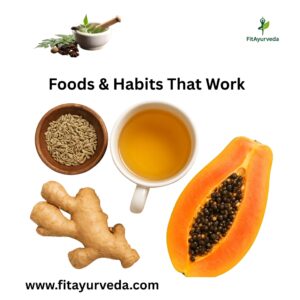
How to Boost Digestion Naturally — Foods & Habits That Work
If you’ve ever felt bloated after meals, struggled with acidity, or wondered why some days your body feels “off,” you’re definitely not alone. In Ayurveda, digestion is everything. It’s the root of your energy, immunity, mood, and even how bright your skin looks.
When digestion works well, you feel light, energetic, and clear-minded. When digestion struggles… well, everything struggles with it.
The good news? You don’t need expensive supplements or complicated diets. Your digestion can improve dramatically with simple Ayurvedic foods and daily habits — the same ones people have used for centuries for strong gut health.
Grab a warm herbal tea or some jeera water, and let’s walk through a gentle, friendly guide to boosting digestion naturally — step by step.
Why Digestion Matters More Than You Think
If you ask any Ayurvedic practitioner what the foundation of health is, they will say one word:
Agni (Digestive Fire)
Agni is the power that breaks down food, absorbs nutrients, and fuels your cells.
When Agni is strong, you experience:
- Good energy
- Low bloating
- No constipation
- Stable mood
- Clear skin
- Healthy metabolism
- Sharp thinking
But when Agni is weak or disturbed?
You may face:
- Gas
- Acidity
- Heavy stomach
- Fatigue after meals
- Constipation or loose motions
- Brain fog
- Food cravings
- Low immunity
Most modern lifestyle issues — overeating, stress, junk food, inconsistent meal times — weaken digestion. Ayurveda teaches us that we can revive Agni with simple food choices, herbs, and daily habits.
Let’s start with the foods!
15 Foods That Boost Digestion Naturally
Here are the best Ayurvedic-friendly, digestion-boosting foods you can add starting today.
1. Ginger — The King of Digestion
Ginger activates digestive fire, reduces nausea, and enhances nutrient absorption.
Try this:
– Sip ginger tea before meals
– Add raw ginger with lemon + a pinch of salt as an appetiser
2. Fennel Seeds (Saunf)
A cooling digestive that reduces bloating and gas.
Try this:
– Chew 1 tsp after meals
– Make fennel tea to reduce acidity
3. Cumin (Jeera)
Amazing for bloating, heaviness, and indigestion.
Try this:
– Drink jeera water in the morning
– Add toasted cumin to soups and curries
4. Yogurt + Probiotics
Great for gut bacteria — but avoid sweet yogurt and fruit-yogurt combinations.
Try this:
– Eat yogurt with lunch
– Make buttermilk with roasted cumin
5. Ghee
Strengthens digestive fire, lubricates the gut, and improves nutrient absorption.
Try this:
– Add 1 tsp to warm dal
– Mix ghee into your roti or khichdi
6. Papaya
Papaya contains papain, a natural enzyme that breaks down proteins.
Try this:
– Eat papaya as a mid-morning snack
7. Lemon
Great for stimulating digestive juices.
Try this:
– Drink warm lemon water in the morning
– Add lemon to salads
8. Bananas
Great for acidity, loose motions, and soothing the stomach lining.
9. Mint (Pudina)
Reduces gas, nausea, and heaviness.
Try this:
– Drink mint-cumin tea
– Add mint chutney to meals
10. Cinnamon
Warms digestion, reduces sugar cravings, and balances blood sugar.
11. Turmeric
Reduces inflammation, improves gut lining, and supports liver health.
12. Warm Water
Yes — the simplest one of all. Cold water weakens Agni. Warm water protects it.
13. Moong Dal
The easiest lentil to digest — perfect for weak digestion.
14. Rice + Dal (Khichdi)
The ultimate Ayurvedic healing dish for digestion.
15. Seasonal Fruits
Eat fruits alone, never with heavy meals.
Lifestyle Habits for Longevity
20 Daily Habits for Strong Digestion
These habits are the true magic. Even good foods can’t help if your habits weaken digestion.
1. Eat your largest meal at lunch
Because digestive fire is strongest during midday.
2. Sip warm water throughout the day
Keeps digestion active and helps detox gently.
3. Avoid ice-cold drinks
They shock your digestive fire and slow metabolism.
4. Eat only when hungry
Real hunger means digestion is ready.
Mindless snacking reduces Agni.
5. Don’t overeat
Your body needs space to digest food properly.
6. Sit down to eat — don’t eat standing or walking
This helps your body switch into “rest and digest” mode.
7. Chew food slowly and fully
Digestion starts in the mouth — not the stomach.
8. Avoid combining too many foods in one meal
Keep meals simple:
– One grain
– One protein
– One vegetable
– Some healthy fat
9. Wait at least 2–3 hours between meals
Give your body time to digest.
10. Avoid sleeping immediately after eating
Lie on your left side if you must — but don’t nap right away.
11. Avoid checking phone while eating
Distraction = poor digestion
Mindful eating = healthier digestion
12. Drink herbal teas
Like:
– Ginger tea
– Cumin tea
– Fennel tea
– Mint tea
– Ajwain water
13. Set a meal routine
Same times daily helps your digestive system stay in rhythm.
14. Walk for 10–15 minutes after meals
Especially after lunch and dinner.
15. Avoid late-night dinners
Eat your last meal by 7:30 PM.
16. Don’t mix milk with salty or spicy foods
It causes indigestion and ama (toxins).
17. Reduce junk and processed foods
They weaken digestive fire and cause gut inflammation.
18. Add digestive spices
Like jeera, haldi, hing, ginger, coriander.
19. Stay emotionally calm
Stress directly shuts down digestion.
20. Maintain a healthy sleep cycle
Good sleep = better digestion
Bad sleep = acidity, cravings, and slow metabolism
10 Ayurvedic Home Remedies for Digestion
Simple, ancient recipes that still work today.
1. Jeera Water
Boil 1 tsp cumin in water. Sip warm.
Great for gas, heaviness, and bloating.
2. Ajwain + Salt
Chew ½ tsp ajwain with black salt after meals.
3. Ginger-Lemon Shot
Grate ginger + squeeze lemon juice + pinch of pink salt.
4. Fennel Tea
Soothes acidity and cools stomach.
5. Hing Water
Pinch of hing in warm water for immediate gas relief.
6. Ghee + Warm Water
1 tsp ghee + warm water
Great for constipation.
7. Buttermilk with Spices
Mix roasted cumin + black pepper.
Wonderful for digestion.
8. Carom Seed (Ajwain) Tea
Perfect for gas and indigestion.
9. Turmeric Milk
Anti-inflammatory, soothing, and healing for gut lining.
10. Aloe Vera Juice
Balances acidity and supports the gut.
Good foods to help your digestion
Signs Your Digestion Is Improving
You will notice:
- Lightness after meals
- Natural hunger at meal times
- Regular bowel movements
- Clearer skin
- Stable energy
- Less gas and bloating
- Improved mood
- Less cravings
- Better sleep
These are signs your Agni is working beautifully.
Sample One-Day Digestion-Friendly Meal Plan
Morning
Warm lemon water
Ginger tea
Fruit (papaya or banana)
Breakfast
Moong dal cheela / upma / oats with nuts
Lunch (biggest meal)
Rice + dal OR roti + sabzi
Salad
Ghee
Buttermilk
Evening
Herbal tea
Light snack (nuts, fruits)
Dinner (light meal)
Soup, khichdi, or vegetable stew
Before Bed
Warm turmeric milk or chamomile
What to Avoid for Better Digestion
These weaken digestive fire:
- Overeating
- Cold drinks
- Late-night meals
- Heavy oily foods
- Too much sugar
- Excess caffeine
- Stress eating
- Combining milk with salty foods
- Fruit after meals
- Eating when not hungry
Even avoiding just a few of these can make a huge difference.
Final Thoughts — Good Digestion = Good Life
Improving digestion is one of the greatest acts of self-care.
You don’t need complicated diets, fancy supplements, or extreme restrictions.
Just simple foods.
Simple habits.
Simple routines.
Ayurveda teaches us that when your digestion is strong, everything else falls into place — your mood, your immunity, your energy, your glow, your sleep.
Start with one food or one habit from this list today.
Your body will thank you.
FAQs
1. What are the best foods for improving digestion naturally?
Foods like ginger, cumin, fennel, papaya, yogurt, ghee, and seasonal fruits help boost digestion naturally by supporting digestive enzymes and reducing bloating.
2. How can I reduce bloating quickly at home?
Drink warm jeera water, chew fennel seeds, sip ginger tea, or take a short 10-minute walk after eating. These remedies relieve gas and bloating fast.
3. What is the fastest way to boost digestion after a heavy meal?
Try warm water, light stretching, deep breathing, or a cup of ginger-fennel tea. Avoid lying down immediately.
4. How does Ayurveda improve digestion?
Ayurveda improves digestion by strengthening Agni (digestive fire) through warm foods, spices, herbal teas, mindful eating, and daily routines.
5. What causes weak digestion or slow metabolism?
Irregular meal timings, stress, overeating, cold drinks, junk food, late dinners, and a sedentary lifestyle weaken digestion.
6. Is drinking warm water good for digestion?
Yes! Warm water keeps Agni active, reduces bloating, helps break down food, and prevents constipation.
7. Which herbs improve digestion naturally?
Ginger, fennel, ajwain, cumin, coriander, turmeric, mint, and hing are excellent Ayurvedic herbs for digestion.
8. Does eating fruit after meals cause indigestion?
Yes. Fruits digest quickly, so eating them after heavy meals can cause gas, bloating, and fermentation. Eat fruits alone.
9. Can ghee help with digestion?
Absolutely. Ghee lubricates the gut, supports nutrient absorption, and helps relieve constipation.
10. What should I avoid to improve digestion?
Avoid cold drinks, processed foods, overeating, late-night dinners, heavy fried food, and mixing incompatible foods (like milk with salty meals).
11. How many hours between meals is ideal for digestion?
Ayurveda recommends a gap of 2–3 hours between meals to allow complete digestion and prevent heaviness.
12. Is walking after meals good for digestion?
Yes. A slow 10–15 minute walk after meals boosts digestion, reduces acidity, and prevents bloating.
13. How can I naturally reduce acidity?
Drink fennel tea, warm water with honey, coconut water, or buttermilk with cumin. Avoid spicy, oily, and late-night meals.
14. Is yogurt good for digestion?
Yes, especially at lunch. Yogurt contains probiotics that balance gut bacteria. Avoid mixing yogurt with fruits or eating it at night.
15. How long does it take to improve digestion using natural methods?
Most people feel results within 3–7 days with warm water, mindful eating, spices, and consistent meal timings. Long-term habits give deeper healing.
Disclaimer
The information provided in this blog is for educational and informational purposes only. Ayurvedic practices, herbs, and remedies mentioned here are based on traditional knowledge and may not be suitable for everyone. Individual results can vary depending on body type, existing health conditions, and lifestyle.
This content should not be considered medical advice, nor is it intended to diagnose, treat, cure, or prevent any disease. Always consult a qualified healthcare professional or certified Ayurvedic practitioner before starting any new herbal supplement, treatment, or wellness routine—especially if you are pregnant, nursing, taking medications, or have a medical condition.