Navratri is often seen as a time of devotion, fasting, and spiritual discipline. But if you look closely, it is also one of the most powerful natural opportunities to reset your body.
According to Ayurveda, these nine days fall during a seasonal transition, a time when the body naturally tries to cleanse itself. Digestion becomes slightly weaker, toxins begin to accumulate, and energy levels fluctuate. This is exactly why traditional practices recommend light eating, fasting, and satvik food.
A properly followed Navratri healthy diet plan is not about restriction—it is about giving your body the space to heal. When done the right way, it can improve digestion, support weight loss, enhance skin health, and bring a sense of mental clarity.
In this guide, you will learn how to follow a complete 9 days Navratri diet plan, based on Ayurvedic principles, along with foods to eat, foods to avoid, real-life insights, and practical tips you can actually follow.
Read More: Ayurvedic Detox
Table of Contents
-
Why Navratri Diet is Important
-
Ayurvedic Principles for Navratri Diet
-
Foods to Eat During Navratri
-
Foods to Avoid During Navratri
-
9 Days Navratri Diet Plan (Day-wise)
-
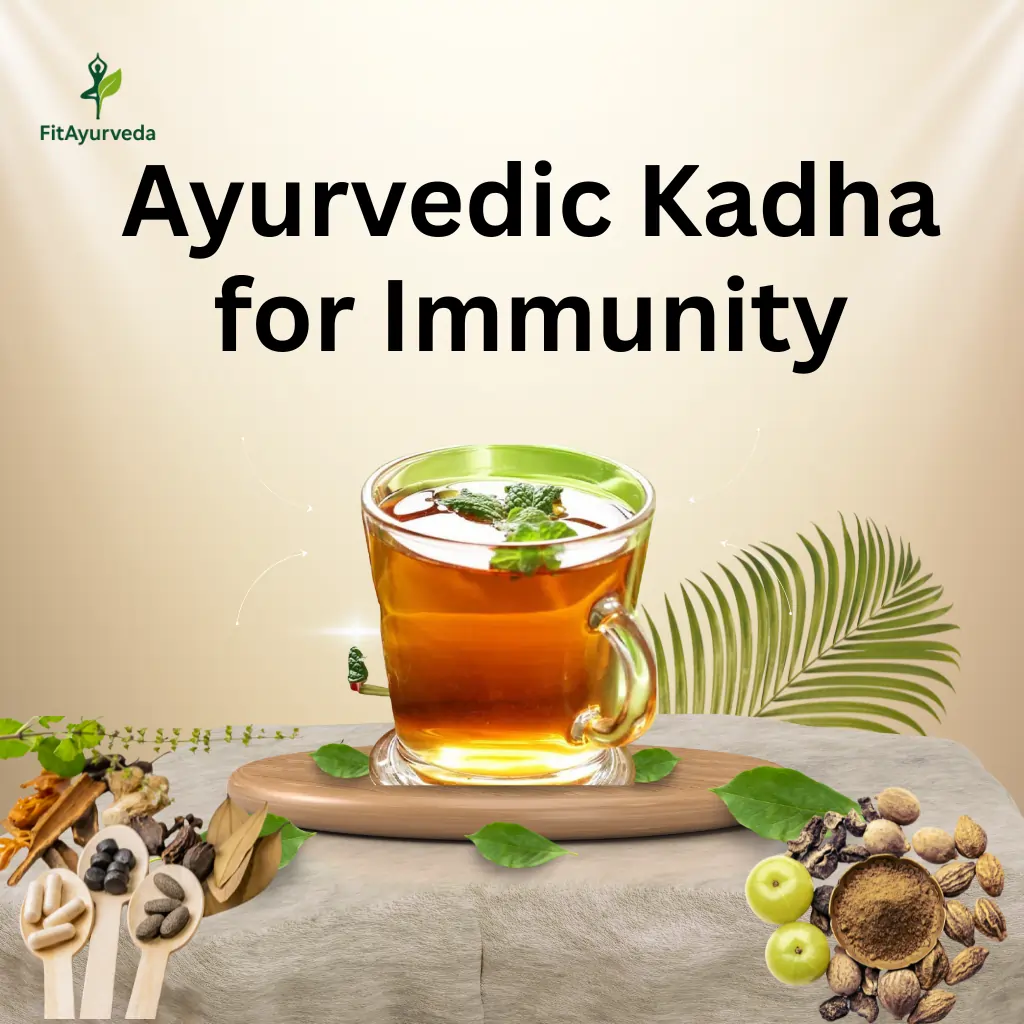
Ayurvedic Detox Drinks
-
Navratri Diet for Weight Loss
-
Real-Life Results and Experience
-
Skin and Gut Health Benefits
-
Lifestyle Tips During Navratri
-
Who Should Avoid Strict Fasting
-
FAQs
-
Final Thoughts
-
Call to Action
Why Follow a Navratri Healthy Diet Plan
In Ayurveda, seasonal change is known as Ritu Sandhi. During this time, your body becomes more sensitive, digestion weakens, and toxins (Ama) start building up.
Instead of ignoring this phase, Navratri encourages you to align with it.
By following a balanced Ayurvedic diet during Navratri, you allow your body to:
-
Eliminate toxins naturally
-
Improve digestive strength (Agni)
-
Support healthy weight loss
-
Improve mental clarity
-
Enhance skin glow
Many people who follow a structured Navratri fasting diet for weight loss notice visible results within just nine days, including reduced bloating and better energy levels.
Ayurvedic Principles for Navratri Diet
A successful Satvik diet plan for Navratri is not complicated, but it does require awareness.
Eat Light and Fresh
Choose freshly cooked meals that are easy to digest. Heavy or processed foods slow down digestion and increase toxins.
Prefer Satvik Foods
Satvik foods are clean, natural, and calming for both body and mind. These include fruits, vegetables, dairy, nuts, and vrat-friendly grains.
Avoid Overeating
One of the biggest mistakes people make during Navratri is overeating vrat foods. Even healthy food can cause issues if consumed in excess.
Maintain Digestive Fire (Agni)
Warm meals, herbal drinks, and simple foods help keep digestion strong throughout the fasting period.
Foods to Eat During Navratri
Your Navratri healthy diet plan should include foods that are nourishing yet light.
Fruits
Apple, banana, papaya, and pomegranate are excellent choices. They provide energy without burdening digestion.
Vegetables
Bottle gourd (lauki), pumpkin, potato, and sweet potato are commonly used and easy to digest.
Vrat Grains
Kuttu (buckwheat), singhara (water chestnut flour), samak rice, and rajgira are ideal for fasting meals.
Dairy
Milk, curd, and buttermilk help maintain protein intake and support gut health.
Nuts
Almonds, walnuts, and makhana provide healthy fats and sustained energy.
Foods to Avoid During Navratri
To get real benefits from a Navratri fasting diet for weight loss, avoid:
-
Deep-fried vrat foods
-
Packaged snacks
-
Excess sugar and sweets
-
Refined oils
-
Tea and coffee
-
Alcohol
Avoiding these helps your body detox more efficiently.
9 Days Navratri Diet Plan (Ayurvedic Approach)
This 9 days Navratri diet plan is designed to match how your body naturally adapts during fasting.
Day 1 – Light Detox Start
Start gently to prepare your digestion.
Morning: Warm lemon water and soaked almonds
Breakfast: Papaya and banana
Lunch: Samak rice with curd
Dinner: Lauki soup
Day 2 – Improve Digestion
Focus on strengthening digestion.
Morning: Jeera water
Breakfast: Apple and nuts
Lunch: Kuttu roti with pumpkin sabzi
Dinner: Light vegetable soup
Day 3 – Gut Healing Phase
Detox begins.
Morning: Ginger tea
Breakfast: Fruit bowl
Lunch: Samak khichdi
Dinner: Coconut water and fruits
Day 4 – Energy Stabilization
Energy starts improving.
Morning: Lemon honey water
Breakfast: Makhana kheer
Lunch: Kuttu dosa with curd
Dinner: Lauki soup
Day 5 – Deep Detox
The body enters a deeper cleansing phase.
Morning: Tulsi tea
Breakfast: Banana smoothie
Lunch: Samak rice with vegetables
Dinner: Fruit salad
Day 6 – Light Eating
You will feel lighter and more comfortable.
Morning: Warm water
Breakfast: Apple and almonds
Lunch: Kuttu roti with lauki
Dinner: Soup
Day 7 – Fat Burning Phase
The body starts using stored fat for energy.
Morning: Lemon water
Breakfast: Papaya
Lunch: Samak khichdi
Dinner: Coconut water
Day 8 – Strength and Balance
Maintain steady energy.
Morning: Herbal tea
Breakfast: Banana with milk
Lunch: Kuttu roti with sabzi
Dinner: Light soup
Day 9 – Completion and Reset
End fasting carefully.
Morning: Warm water
Breakfast: Fruits
Lunch: Light satvik meal
Dinner: Early and light
Ayurvedic Detox Drinks
Including simple drinks can improve your results significantly.
-
Jeera water supports digestion
-
Ginger tea reduces bloating
-
Tulsi tea improves immunity
-
Lemon honey water supports metabolism
Navratri Diet for Weight Loss
A structured Navratri fasting diet for weight loss works only if done correctly.
What Works
-
Eating small portions
-
Choosing light, natural foods
-
Staying hydrated
-
Including herbal drinks
What Fails
-
Eating fried vrat snacks
-
Excess sugar consumption
-
Skipping meals and overeating later
Real-Life Results and Experience
Many people who follow a disciplined Navratri healthy diet plan experience:
-
1–3 kg weight loss
-
Reduced bloating
-
Better digestion
-
Improved energy levels
The difference is not fasting—it is the quality of food and consistency.
Skin and Gut Health Benefits
One of the most noticeable changes people experience during Navratri fasting is how their body feels from the inside—and how it starts reflecting on the outside.
When you follow a clean and balanced Navratri diet, your digestive system gets a much-needed break. And in Ayurveda, when digestion improves, everything else in the body starts improving too.
Skin Benefits
Your skin is often a reflection of what’s happening inside your body. When toxins (Ama) build up due to poor digestion, they often show up as acne, dullness, or uneven skin tone.
During Navratri, when you switch to a light and satvik diet:
-
The body starts eliminating toxins naturally
-
Blood circulation improves
-
Inflammation reduces
As a result, many people notice that their skin starts looking clearer and fresher within a few days. Acne breakouts may reduce, and the skin begins to develop a natural glow.
It’s not because of any external product—it’s simply because your body is becoming cleaner from within.
Gut Health Benefits
Your gut plays a central role in your overall health. But in daily life, constant eating, heavy meals, and irregular habits often overload the digestive system.
Navratri fasting works like a reset for your gut.
When you eat light foods such as fruits, simple grains, and soups:
-
Digestion becomes more efficient
-
Bloating and heaviness reduce
-
Acidity and gas issues improve
-
Nutrient absorption becomes better
Giving your gut this rest allows it to repair and function more effectively. Many people feel less discomfort after meals and notice improved digestion even after Navratri ends.
In simple terms, when your gut heals, your entire body starts feeling lighter, more energetic, and balanced.
Lifestyle Tips During Navratri
To get full benefits from your Ayurvedic diet during Navratri, combine it with good habits:
-
Wake up early
-
Practice yoga or light exercise
-
Meditate daily
-
Sleep on time
-
Avoid stress and late-night eating
Who Should Avoid Strict Fasting
Strict fasting may not be suitable for:
-
Pregnant women
-
Diabetic individuals
-
Elderly people
-
People with weakness or medical conditions
Always consult a professional if needed.
FAQs
Is Navratri diet healthy?
Yes, a balanced Satvik diet plan for Navratri helps detox the body and improve digestion.
Can I lose weight during Navratri?
Yes, a proper Navratri fasting diet for weight loss can help reduce weight naturally.
What should I eat for breakfast?
Fruits with nuts or smoothies are ideal.
Is milk allowed?
Yes, dairy is part of the satvik diet.
Can I drink tea or coffee?
It is better to replace them with herbal drinks.
How many meals should I eat?
Two to three light meals are ideal.
Final Thoughts
Navratri is more than just a festival. It is a chance to pause, reset, and reconnect with your body.
By following a mindful Navratri healthy diet plan, you are not just fasting—you are giving your body the care it needs to heal and function better.
These nine days can bring noticeable changes if approached with discipline and awareness.
If you are looking for a personalized Ayurvedic diet during Navratri based on your body type and health goals, you can connect with FitAyurveda.
Start your journey toward better digestion, natural weight balance, and long-term wellness today.
If you’re planning to fast this season, check this detailed Navratri healthy diet plan that explains what to eat, what to avoid, and how to detox your body naturally.