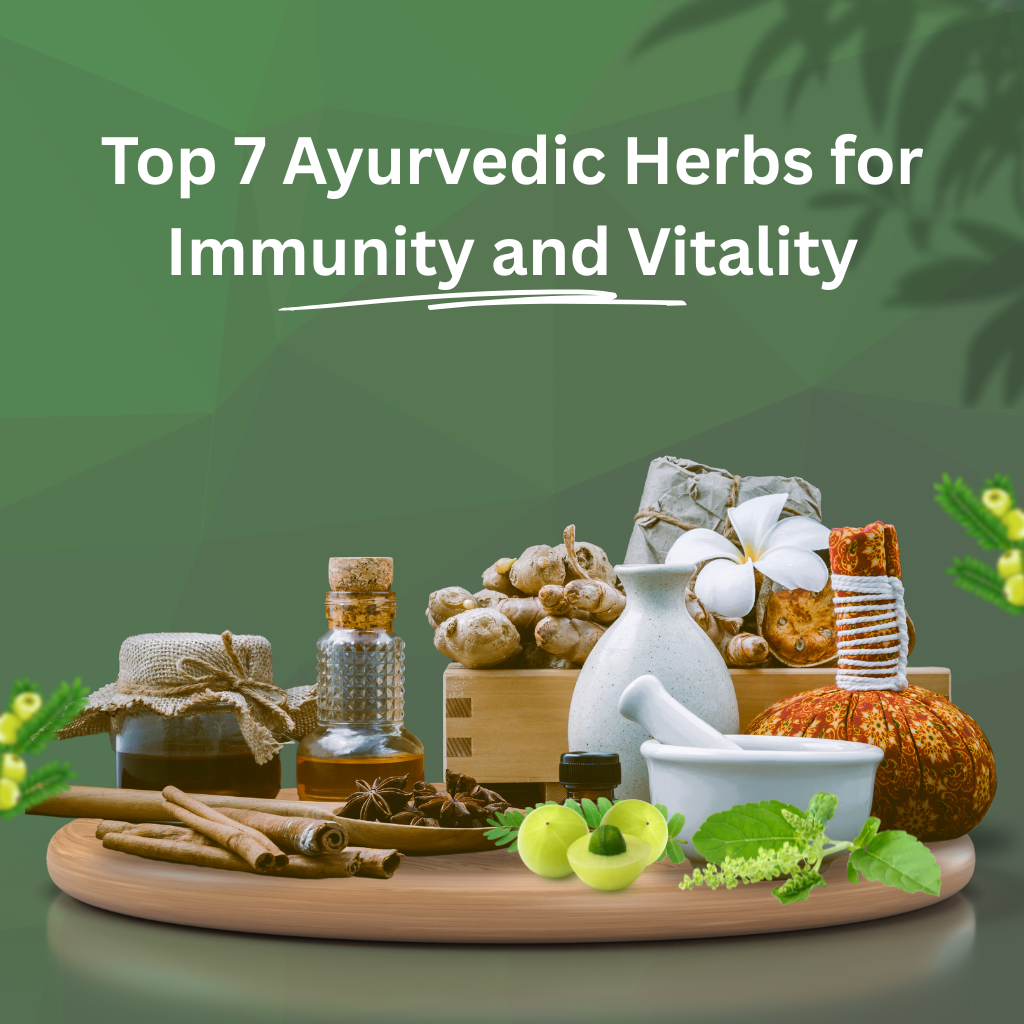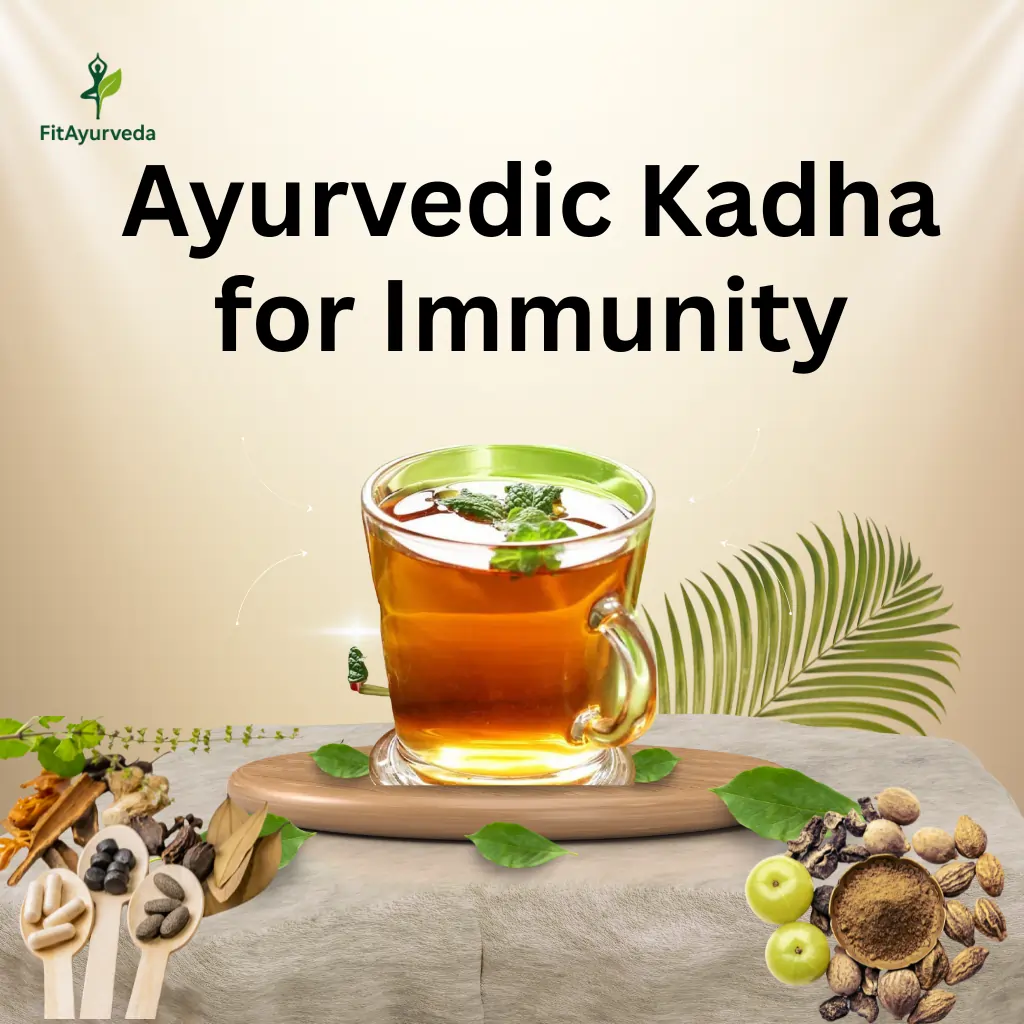
Tulsi for immunity has been a trusted practice in Indian households for thousands of years — long before science had the language to explain why it worked. Walk into almost any home across India, from the smallest village in Rajasthan to a high-rise apartment in Mumbai, and you will find a Tulsi plant growing quietly in the courtyard or on the balcony. For generations, grandmothers have plucked a few leaves and dropped them into chai at the first sign of a cold. They did not need a clinical trial to know it worked. And as it turns out, modern science is now catching up to what Ayurveda has known for nearly 5,000 years.
Tulsi, also known as Holy Basil or Ocimum sanctum, is not just a sacred plant. It is one of the most thoroughly studied natural immunomodulators in the world — a term that means it actively helps regulate and strengthen your immune system. In the wake of renewed global interest in natural health after the COVID-19 pandemic, Tulsi has moved from your grandmother’s kitchen straight into scientific journals and wellness conversations worldwide.
In this article, you will learn exactly how Tulsi benefits your immunity, what compounds make it work, how to use it every day, who should be careful with it, and answers to the most common questions people ask about this remarkable herb.
If you want a complete guide, check our detailed Ayurvedic immunity booster guide.
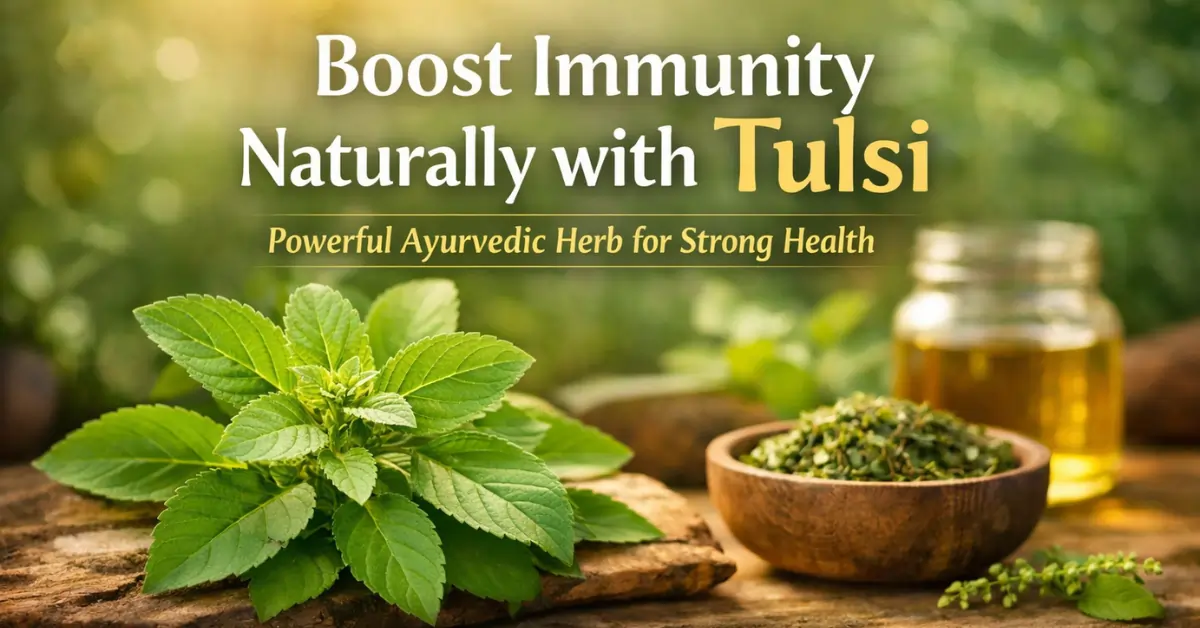
What Is Tulsi and Why Is It the Queen of Herbs?
Tulsi is a short, aromatic shrub native to the Indian subcontinent and revered across Southeast Asia. Its scientific name is Ocimum sanctum (or Ocimum tenuiflorum), and it belongs to the mint family. In Sanskrit, the word Tulsi means “beyond compare” — and given what we now know about its medicinal properties, that name seems well-earned.
The Three Main Varieties of Tulsi
Not all Tulsi is the same. There are three primary varieties, each with slightly different properties:
- Rama Tulsi (green leaves): The most common variety in Indian households. Mild in taste, excellent for stress relief, digestion, and skin health.
- Krishna Tulsi (purple leaves): Higher in antioxidants, particularly good for respiratory health, blood sugar management, and inflammation.
- Vana Tulsi (forest basil): Found in the wild, larger leaves, energising and supportive of liver detoxification and stamina.
Many Ayurvedic practitioners in India blend all three varieties together in products like Panch Tulsi drops, which have surged in popularity as a natural immunity booster in 2025 and 2026.
The Science Behind Tulsi for Immunity: What the Research Says
When we talk about Tulsi benefits for immunity, we are not relying purely on tradition. A systematic review published in the Journal of Ayurveda and Integrative Medicine examined 24 published human studies involving over 1,100 participants. The findings were clear: Tulsi demonstrated meaningful positive effects on immunity, infections, metabolic health, and mental wellbeing.
Here is what makes Tulsi work at a biological level:
Key Bioactive Compounds in Tulsi
- Eugenol (40–70% of the essential oil): A powerful anti-inflammatory and antimicrobial compound. Research has also explored its potential to inhibit certain viral spike proteins. This compound gives Tulsi much of its infection-fighting ability.
- Rosmarinic Acid (1–3% of dry leaf weight): An antioxidant and anti-allergic compound that reduces inflammation, controls allergic responses, and lowers oxidative stress in immune cells.
- Ursolic Acid: Enhances macrophage and natural killer (NK) cell activity — two frontline soldiers of your innate immune system.
- Beta-Caryophyllene: Modulates inflammatory pathways and supports immune balance.
- Flavonoids and Polyphenols: Neutralise free radicals and protect immune cells from oxidative damage.
| 📊 Research Highlight A 2011 randomised, double-blind, placebo-controlled trial found that adults taking Tulsi leaf extract daily for four weeks showed a significantly increased immune response compared to the placebo group. A 2014 study also found improved fatigue levels, viral immunity, and lung capacity in young adults consuming Tulsi-fortified nutrition bars over two weeks. |
How Tulsi Modulates Your Immune System
Tulsi works through multiple mechanisms simultaneously, which is what makes it so effective:
- Activates T-cells and Natural Killer (NK) cells, which identify and destroy infected or abnormal cells in your body.
- Stimulates antibody production, improving your adaptive immune response against pathogens.
- Reduces pro-inflammatory cytokines like TNF-alpha and IL-6, preventing chronic inflammation from suppressing immunity.
- Regulates the hypothalamic-pituitary-adrenal (HPA) axis, which means it directly lowers stress-related immune suppression.
- Acts as a free-radical scavenger, protecting immune cells from oxidative damage.
Top Tulsi Benefits for Immunity: A Detailed Breakdown
1. Tulsi as a Natural Immunomodulator
Unlike simple immune stimulants, Tulsi is what scientists now call an immunomodulator. This means it does not just push your immune system into overdrive — it helps bring it into balance. If your immune response is underactive (making you prone to infections), Tulsi helps activate it. If it is overactive (leading to allergies or autoimmune issues), Tulsi helps calm it down. This makes it one of the safest and most versatile herbs for long-term use.
2. Tulsi as an Adaptogen — Fighting Stress-Induced Immune Weakness
This is one of the most clinically important and trending aspects of Tulsi in modern wellness circles: its adaptogenic properties. Chronic stress is one of the biggest — and most underappreciated — killers of immunity. When cortisol levels stay elevated, your immune system is directly suppressed.
Tulsi helps regulate cortisol levels and modulates the HPA axis, which is the brain-body system that controls your stress response. By managing stress at a physiological level, Tulsi protects your immune system from stress-induced damage. For India’s increasingly stressed urban population, this benefit alone makes daily Tulsi consumption highly valuable.
3. Anti-Inflammatory Protection
Chronic low-grade inflammation is now understood to be at the root of most lifestyle diseases — from diabetes and heart disease to frequent infections and fatigue. Tulsi’s rich content of eugenol, rosmarinic acid, and beta-caryophyllene actively reduces inflammation without the side effects associated with long-term use of anti-inflammatory drugs.
4. Antimicrobial and Antiviral Effects
Tulsi has demonstrated antibacterial activity against common pathogens like Staphylococcus aureus and E. coli. Its antiviral properties — particularly from eugenol — have attracted research interest in the post-pandemic era. Regular consumption of Tulsi tea or raw leaves may significantly lower your chances of catching common infections like colds, flu, and seasonal fevers.
5. Respiratory Health Support
In India, Tulsi kadha — a traditional herbal decoction made with Tulsi, ginger, cinnamon, and cloves — became a household staple for millions of families during the pandemic years. And for good reason. Tulsi is a natural expectorant, helps expel phlegm, soothes sore throats, and acts as a mild bronchodilator that improves airflow to the lungs. Regular use supports overall respiratory resilience, which is directly connected to immune health.
6. Antioxidant Defence for Immune Cells
Free radicals damage immune cells and impair the body’s ability to fight infection. Tulsi’s high content of flavonoids and polyphenols acts as a powerful antioxidant shield, neutralising these harmful molecules and keeping your immune cells healthy and effective.
You can also explore other powerful herbs like Giloy benefits for immunity that work alongside Tulsi.
How to Use Tulsi Daily for Maximum Immunity Benefits
Knowing about Tulsi’s benefits is only half the equation. The other half is knowing how to actually use it consistently. Here are the most practical and effective methods:
1. Tulsi Tea (Most Popular and Effective)
Add 8–10 fresh Tulsi leaves or one teaspoon of dried Tulsi to a cup of boiling water. Steep for 5–7 minutes. Add a squeeze of lemon and a teaspoon of honey for taste and additional immune support. Drink one to two cups daily, preferably in the morning on an empty stomach or in the evening. This is the single easiest way to build a daily Tulsi habit.
2. Chewing Fresh Leaves
The simplest and most ancient method. Wash 4–5 fresh Tulsi leaves and chew them first thing in the morning. Avoid biting with your teeth directly if possible — the leaves contain some acidity that can, over time, affect tooth enamel with excessive use. Swallowing with water is perfectly fine.
3. Tulsi Kadha (Traditional Indian Immunity Decoction)
Boil 10–12 Tulsi leaves with one inch of grated ginger, two cloves, a small piece of cinnamon, and five to six black peppercorns in two cups of water. Simmer until the water reduces to one cup. Strain, add honey to taste, and drink warm. This kadha is especially powerful during seasonal changes and when you feel a cold coming on.
4. Tulsi Drops (Panch Tulsi Drops)
Panch Tulsi drops — a concentrated blend of five Tulsi varieties — have become one of the most popular Ayurvedic immunity boosters in India and globally. Add 2–3 drops to a glass of warm water and drink once or twice daily. Look for standardised, certified organic products from trusted brands.
5. Tulsi Capsules and Tablets
For those who prefer convenience and precise dosing, Tulsi is widely available in capsule form. Standard doses in clinical studies range from 300 mg to 1,000 mg of standardised extract, taken once or twice daily. Always follow the dosage on the product label or consult an Ayurvedic practitioner.
6. Adding Tulsi to Food
Fresh Tulsi leaves can be added to soups, dals, salads, chutneys, and rice dishes for a subtle immunity boost without changing the character of the meal significantly. In South India, Tulsi is commonly added to rasam. In North India, it appears in herbal chutneys alongside mint.
| 💡 Pro Tip for Daily Use For best results, use Tulsi consistently for at least four to six weeks. Most clinical studies showing measurable immune improvements ran for two to thirteen weeks. Consistency matters far more than occasional high doses. |
Tulsi in India: A Tradition That Science Is Now Validating
For hundreds of millions of Indians, Tulsi is not just a health supplement — it is a daily ritual, a spiritual symbol, and a living connection to Ayurvedic wisdom. The plant is grown outside almost every Hindu home, watered and worshipped each morning. This centuries-old practice of growing Tulsi at home and consuming it regularly may have served as one of India’s most accessible and widespread public health interventions long before modern medicine arrived.
Today, India’s Ayurvedic herbal extract market is growing at a projected rate of 5.8% annually through 2035, driven in large part by domestic demand for Tulsi-based products and growing exports to Western markets where Ayurvedic wellness is gaining serious traction. From Patanjali to Organic India to Himalaya, Indian brands are now bringing standardised, science-backed Tulsi products to pharmacies and health stores around the world.
For stress-related immunity issues, you can read our guide on Ashwagandha for immunity.
The government of India’s Ministry of AYUSH has also promoted Tulsi as part of its formal immune-boosting protocols, particularly during the COVID-19 pandemic years. For Indians already familiar with Tulsi, the pandemic simply deepened an existing relationship. For many others globally, it was an introduction to one of the world’s most powerful medicinal plants.
Who Should Be Cautious with Tulsi — Precautions and Side Effects
Tulsi is considered safe for most adults when consumed in food amounts or as recommended supplement doses. Thousands of years of traditional use support its general safety profile. However, there are a few important precautions:
- Pregnant women: Tulsi may have uterine-stimulating properties in large medicinal doses. Stick to culinary amounts during pregnancy and consult your doctor before taking supplements.
- Blood thinners: Eugenol in Tulsi has mild anticoagulant properties. If you are on blood-thinning medications like warfarin, speak to your physician before starting Tulsi supplementation.
- Blood sugar management: Tulsi has been shown to lower blood sugar. If you are on diabetes medications, monitor your levels closely as it may enhance the effect.
- Thyroid conditions: Some preliminary research suggests high doses of Tulsi may affect thyroid function. Those with thyroid disorders should consult a doctor.
- Children: Culinary use is generally safe. For supplemental doses in children, always consult a paediatrician.
For healthy adults, daily consumption of Tulsi tea, fresh leaves, or moderate supplement doses carries very low risk and well-documented benefit. As with any health intervention, quality matters — choose products from reputable brands with proper standardisation and certification.
Frequently Asked Questions About Tulsi and Immunity
Q1. How many Tulsi leaves should I eat daily to boost immunity?
Most traditional recommendations and clinical guidelines suggest consuming 4–8 fresh Tulsi leaves daily for general immunity support. Clinical studies have used doses ranging from 300 mg to 1,000 mg of standardised extract. For daily maintenance through fresh leaves, 5–6 leaves in the morning is a practical and effective starting point for most healthy adults.
Q2. Is Tulsi tea good for immunity every day?
Yes. Drinking one to two cups of Tulsi tea daily is one of the safest and most effective ways to incorporate its immune-boosting benefits into your routine. Daily consistency is more important than occasional large amounts. Most research showing measurable immune improvements involved daily use for at least two to four weeks.
Q3. Can Tulsi prevent colds and flu?
Tulsi cannot guarantee prevention of any illness, but its antimicrobial, antiviral, and immunomodulatory properties do meaningfully reduce susceptibility to common infections. Regular intake of Tulsi — particularly through tea or kadha — has been associated with reduced incidence of colds, flu, and seasonal fevers in traditional use and supported by emerging clinical evidence.
Q4. What is the difference between Tulsi and regular basil?
Tulsi (Ocimum sanctum or Holy Basil) and culinary basil (Ocimum basilicum) are closely related but botanically distinct. Tulsi has a much stronger, clove-like flavour and a significantly richer profile of medicinal compounds — particularly eugenol and ursolic acid. Regular sweet basil used in Italian cooking does not carry the same therapeutic properties as Tulsi.
Q5. Can I take Tulsi along with other Ayurvedic herbs like Ashwagandha?
Yes, Tulsi and Ashwagandha are frequently combined in Ayurvedic formulations and are considered complementary. Both are adaptogens that support immunity and stress management through different but synergistic mechanisms. However, if you are taking pharmaceutical medications alongside herbal supplements, it is always wise to consult an Ayurvedic doctor or physician before combining multiple herbs.
Conclusion:
Tulsi for immunity is not a trend or a marketing claim. It is a 5,000-year-old practice that modern science is steadily validating through clinical trials, systematic reviews, and phytochemical research. Whether you chew a few fresh leaves each morning, brew a warming cup of Tulsi tea in the evening, or stir three drops of Panch Tulsi into your water bottle, you are tapping into one of nature’s most powerful and time-tested immune allies.
The beauty of Tulsi is its accessibility. In India, it grows freely in homes, gardens, and fields. Globally, it is available as tea, drops, capsules, and powders at every price point. There is no reason not to make it a part of your daily health routine.
Start small. Start today. Pick up a Tulsi plant for your balcony or a packet of Tulsi tea from your local store. Give it four consistent weeks and pay attention to how your body responds. Your immune system will notice the difference before you do.
| 📣 Call to Action Ready to start your Tulsi journey? Begin with one cup of Tulsi tea each morning for 30 days and track how you feel. Share this article with someone in your family who could benefit — because good health, like Tulsi, is best shared. [Internal linking opportunity: Link to related articles on Ashwagandha benefits, Ayurvedic home remedies, or seasonal immunity tips.] |
Follow US On Instagram for More Tips