Types of Skin Diseases in Ayurveda: Causes, Symptoms & Remedies
Skin is one of the most sensitive parts of our body. It not only protects us from the outside world but also reflects our inner health. When digestion, diet, or lifestyle goes out of balance, it often shows up on the skin in the form of acne, rashes, dryness, or other chronic conditions.
Modern medicine usually treats skin diseases with creams or medicines that reduce symptoms. Ayurveda, on the other hand, looks deeper. It connects every skin disorder with dosha imbalance and impurities in the blood. That is why Ayurvedic texts describe a wide range of skin conditions under the name “Kushta Roga.”
In this article, we will explore the types of skin diseases in Ayurveda, their causes, symptoms, and natural remedies. Whether you are struggling with acne, eczema, psoriasis, or pigmentation, Ayurveda offers a holistic approach that heals from the inside out.
Ayurveda & Skin Health
In Ayurveda, the skin is called “Twak” and is considered more than just an external layer. It is deeply connected to the health of your Rakta (blood), Mamsa (muscle), and the three Doshas – Vata, Pitta, and Kapha.
-
Vata imbalance → causes dryness, rough patches, cracking of skin.
-
Pitta imbalance → leads to redness, burning sensation, acne, inflammation, rashes.
-
Kapha imbalance → results in excessive oiliness, itching, fungal infections.
Ayurvedic texts like Charaka Samhita and Sushruta Samhita explain that when digestion is weak and toxins (Ama) accumulate in the blood, it directly affects skin health. That is why conditions like eczema, psoriasis, and pigmentation are seen as the body’s way of showing internal imbalance.
Healthy skin in Ayurveda depends on:
-
Balanced Agni (digestive fire) – good digestion and absorption.
-
Pure Rakta (blood) – free from toxins.
-
Proper lifestyle – daily routine (Dinacharya) and seasonal care (Ritucharya).
This holistic understanding is what makes Ayurveda unique compared to modern dermatology.
Classification of Skin Diseases in Ayurveda
In Ayurveda, most skin disorders are grouped under the term “Kushta Roga”. The ancient texts describe 18 types of Kushta, which are further divided into:
-
Mahakushta (7 major types) – severe, chronic, and more difficult to treat.
-
Kshudra Kushta (11 minor types) – less severe, relatively easier to manage.
This classification is based on the imbalance of Vata, Pitta, Kapha, the depth of tissue involvement, and the chronicity of the condition.
🔹 Mahakushta (Major Skin Diseases)
These are the severe forms, often spreading and long-lasting. Examples include:
-
Eka Kushta – Resembles modern-day psoriasis; characterized by dryness, scaling, and thick patches.
-
Charmadala – Similar to eczema; symptoms include itching, burning, and thickened skin.
-
Kitibha Kushta – Dry, rough, scaly patches; often compared to chronic dermatitis.
-
Rishyajihva – Cracked, hard lesions resembling the tongue of a deer.
-
Vipadika – Painful cracks on hands and feet.
-
Audumbara – Circular reddish eruptions; can resemble herpes or fungal infections.
-
Pundarika – Red, painful, burning lesions with pus formation.
🔹 Kshudra Kushta (Minor Skin Diseases)
These are relatively mild but still cause discomfort. Examples include:
-
Dadru Kushta – Ringworm-like, circular itchy rashes.
-
Shvitra (Switra) – White patches; comparable to vitiligo or leukoderma.
-
Pama – Itching, often linked to scabies.
-
Visarpa – Spreading rashes, sometimes linked with herpes zoster.
-
Charmakhya – Thickened, pigmented skin patches.
-
Sidhma – White powdery patches on the skin.
-
Vipadika (mild form) – Cracks with minor discomfort.
-
Mandala Kushta – Raised, circular skin lesions.
-
Kakanaka Kushta – Blister-like eruptions.
-
Sataru Kushta – Multiple small eruptions.
-
Kitibha (mild form) – Localized scaly skin patches.
Table: Ayurvedic vs Modern Correlation
| Ayurvedic Term | Modern Parallel | Symptoms |
|---|---|---|
| Eka Kushta | Psoriasis | Dry, scaly, thick patches |
| Dadru | Ringworm | Circular, itchy rash |
| Shvitra | Vitiligo | White patches on skin |
| Charmadala | Eczema/Dermatitis | Red, itchy, inflamed skin |
| Visarpa | Herpes zoster | Spreading painful blisters |
| Kitibha | Chronic dermatitis | Rough, thickened skin |
👉 Ayurveda does not only stop at naming the disease but also explains dosha dominance in each type, which helps in choosing the right treatment.
Common Types of Skin Diseases in Ayurveda
🔹 Eczema (Vicharchika)
Ayurvedic View: Kapha-Pitta imbalance, dryness, redness, itching.
Symptoms: Red patches, oozing, burning sensation, dry & scaly skin.
Causes: Spicy/oily foods, Viruddha ahara, stress, poor hygiene.
Remedies: Neem, Turmeric, Triphala, Panchakarma (Virechana, Raktamokshana), Neem/coconut oil.
🔹 Psoriasis (Kitibha Kushta)
Ayurvedic View: Vata-Kapha imbalance, dry and scaly skin.
Symptoms: Thick scaly patches, itching, cracking, pain.
Causes: Viruddha ahara, alcohol, smoking, stress, weak digestion.
Remedies: Panchakarma (Vamana, Virechana, Raktamokshana), Neem, Turmeric, Guduchi, Takradhara, herbal oils.
🔹 Acne & Pimples (Yuvan Pidika)
Ayurvedic View: Pitta-Kapha imbalance, excess heat & oiliness.
Symptoms: Red pimples, blackheads, oily skin, scarring.
Causes: Spicy/oily food, hormonal imbalance, poor digestion, stress.
Remedies: Neem, Aloe Vera, Tulsi, Manjistha, Gandhak Rasayan, herbal face packs.
🔹 Fungal Infections (Dadru Kushta)
Ayurvedic View: Kapha-Pitta imbalance, excessive moisture.
Symptoms: Red circular rashes, itching, scaling, spreading patches.
Causes: Damp environment, poor hygiene, sweating, tight clothes.
Remedies: Neem/turmeric paste, Khadirarishta, Gandhak Rasayan, herbal powders, hygiene management.
“For more details on fungal skin infections and prevention, refer to CDC – Fungal Diseases.
🔹 Urticaria (Sheetapitta)
Ayurvedic View: Vata-Pitta imbalance, sudden appearance of red patches.
Symptoms: Red rashes, severe itching, burning sensation, hives.
Causes: Food allergy, weather changes, stress, insect bites.
Remedies: Haridra, Neem, Amalaki, Avipattikar churna, Panchakarma (Virechana), cooling herbs.
🔹 Leprosy (Kushta Roga – Chronic)
Ayurvedic View: Tridoshaj (all three doshas involved), toxins accumulation.
Symptoms: Skin discoloration, numbness, ulcers, nerve damage.
Causes: Poor immunity, Viruddha ahara, genetic predisposition, toxins.
Remedies: Ayush 64, Manjistha, Guduchi, Haridra, Panchakarma, Karanja oil, Satvik diet.
Table: Ayurvedic Term vs Modern Parallel vs Symptoms
| Ayurvedic Term | Modern Equivalent | Symptoms |
|---|---|---|
| Vicharchika | Eczema | Red, itchy, oozing patches |
| Kitibha Kushta | Psoriasis | Thick, scaly, dry patches |
| Yuvan Pidika | Acne | Pimples, blackheads, oily skin |
| Dadru Kushta | Ringworm | Circular, itchy rashes |
| Sheetapitta | Urticaria | Red hives, itching, burning |
| Kushta Roga | Leprosy | Discoloration, numbness, ulcers |
Common Skin Diseases in Modern Times & Their Ayurvedic View
Skin problems are extremely common today because of pollution, stress, poor diet, and chemical-based cosmetics. Ayurveda explains that these modern skin issues are often the result of dosha imbalance and accumulation of toxins (Ama) in the body.
Here are some of the most common skin conditions and how Ayurveda understands them:
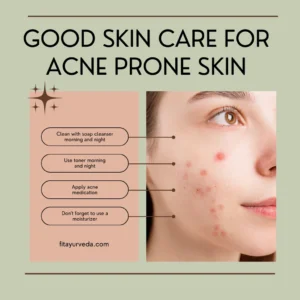
🔹 Acne (Yauvan Pidika)
-
Cause in Ayurveda: Excess Pitta dosha combined with Rakta (blood) imbalance. Poor diet, spicy/oily foods, and stress worsen acne.
-
Symptoms: Red pimples, pus-filled eruptions, pain, and scarring.
-
Management: Cooling herbs like neem, aloe vera, and turmeric; diet rich in greens and bitter foods.
🔹 Eczema & Dermatitis (Charmadala)
-
Cause in Ayurveda: Imbalance of Pitta + Kapha dosha, leading to itching, oozing, and thickened skin.
-
Symptoms: Redness, dryness, itching, burning sensation.
-
Management: Panchakarma therapies like Virechana (purgation) for Pitta and medicated oils for soothing. Herbs like manjistha and guduchi are often recommended.
🔹 Psoriasis (Eka Kushta)
-
Cause in Ayurveda: Mainly Vata + Kapha imbalance, along with low digestive fire (Agni) and toxin build-up.
-
Symptoms: Thick, scaly skin patches, itching, and cracks.
-
Management: Shodhana therapies (detoxification), especially Vamana and Virechana, along with anti-inflammatory herbs like turmeric and neem.
🔹 Pigmentation & Melasma
-
Cause in Ayurveda: Predominantly Pitta imbalance, leading to excess heat in blood and skin.
-
Symptoms: Dark patches on cheeks, forehead, or upper lip.
-
Management: Internal cooling herbs (sandalwood, aloe vera, manjistha) and external herbal packs with turmeric, sandalwood, and licorice.
🔹 Fungal Infections (Dadru Kushta)
-
Cause in Ayurveda: Kapha dominance with excess moisture and weak immunity.
-
Symptoms: Itchy, circular rashes (similar to ringworm).
-
Management: Drying and antifungal herbs like neem, turmeric, triphala; lifestyle changes to reduce dampness and excess oiliness.
👉 Ayurveda sees these conditions not just as skin-deep problems but as signs of deeper imbalance. This is why Ayurvedic treatment focuses on cleansing the body, balancing doshas, and purifying the blood.
Modern dermatology recognizes conditions like eczema and psoriasis (Mayo Clinic).
Causes of Skin Diseases According to Ayurveda
Ayurveda believes that skin diseases do not appear suddenly. They are the result of long-term imbalance in diet, lifestyle, and environment. The root cause is usually the accumulation of toxins (Ama) in the body and disturbance in doshas.
Here are the main causes:
🔹 1. Poor Diet (Viruddha Ahara – Incompatible Foods)
-
Eating food combinations that clash, like milk with salty or sour items, fish with dairy, or fruits with milk.
-
Excess oily, fried, spicy, and junk food.
-
Overeating or eating at irregular times.
🔹 2. Weak Digestion (Agni Mandya)
-
When digestive fire (Agni) becomes weak, food does not digest properly.
-
This creates toxins (Ama) which mix with blood (Rakta dhatu) and affect skin health.
🔹 3. Stress & Emotional Imbalance
-
Excess anger, stress, or suppressed emotions disturb Pitta and Vata dosha, leading to acne, rashes, or itching.
🔹 4. Improper Lifestyle
-
Staying up late at night, lack of sleep, excessive screen time.
-
Ignoring daily routine (Dinacharya) and seasonal routine (Ritucharya).
-
Sedentary lifestyle with no exercise or yoga.
🔹 5. Overuse of Chemicals & Cosmetics
-
Harsh chemical creams, steroids, and chemical soaps damage skin’s natural balance.
-
Ayurveda explains this as blocking the natural channels (Srotas).
🔹 6. Environmental Factors
-
Pollution, dust, and exposure to heat or damp conditions disturb doshas and irritate the skin.
👉 In short, the main Ayurvedic causes of skin diseases are: wrong food, poor digestion, toxin build-up, stress, and lifestyle imbalance.
That’s why treatment in Ayurveda always starts with detoxification and restoring digestion before using herbs or oils.
Ayurvedic Remedies for Skin Diseases
Ayurveda treats skin diseases with a holistic approach – cleansing the body, balancing doshas, purifying the blood, and nourishing the skin naturally. Instead of focusing only on creams or lotions, it emphasizes internal healing along with external care.
🔹 1. Ayurvedic Herbs & Natural Remedies
Some herbs are especially powerful for skin health because they detoxify blood (Rakta shodhana) and reduce inflammation.
-
Neem (Azadirachta indica) → Natural antibacterial, antifungal, and blood purifier. Used in acne, eczema, and fungal infections.
-
Turmeric (Haridra) → Strong anti-inflammatory and antioxidant. Helps in acne, pigmentation, and chronic skin problems.
-
Aloe Vera (Kumari) → Cooling and soothing; balances Pitta, heals burns, acne, and pigmentation.
-
Manjistha (Rubia cordifolia) → Excellent blood purifier; reduces skin rashes, itching, and chronic disorders.
-
Guduchi (Giloy) → Boosts immunity, reduces Pitta-related skin issues like eczema and rashes.
-
Khadeer & Sariva → Recommended in Kushta roga for chronic skin diseases.
For More Information: Types of Skin Diseases in Ayurveda
🔹 2. Panchakarma for Skin Detox
When skin diseases are chronic or severe, Panchakarma therapies are used for deep cleansing.
-
Virechana (Therapeutic purgation) → Removes excess Pitta and toxins from the liver and intestines; useful for eczema, acne, and pigmentation.
-
Raktamokshana (Bloodletting therapy) → Purifies blood in severe Pitta-dominant skin disorders like psoriasis and eczema.
-
Vamana (Therapeutic emesis) → For Kapha-related conditions like fungal infections, excessive itching, and oozing skin diseases.
-
Basti (Medicated enema) → Balances Vata, useful in chronic dry skin and psoriasis.
🔹 3. Ayurvedic Oils & External Applications
Ayurveda uses medicated oils (Taila) and herbal lepams (packs) to nourish and heal the skin.
-
Kumkumadi Oil → Famous for improving complexion and pigmentation.
-
Neem Oil → Effective in fungal infections and acne.
-
Coconut Oil (Narikela Taila) → Cooling and soothing; good for dry, itchy skin.
-
Jatyadi Oil → Heals wounds, ulcers, and chronic skin lesions.
-
Herbal Lepams (Face Packs) → Sandalwood, turmeric, licorice, and aloe vera paste applied for glow and acne reduction.
🔹 4. Diet & Lifestyle (Pathya-Apathya)
Ayurveda emphasizes that without correcting diet and lifestyle, no treatment works fully.
Foods to Include (Pathya):
-
Fresh fruits (pomegranate, papaya, grapes).
-
Vegetables with cooling effect (cucumber, bitter gourd, leafy greens).
-
Whole grains, moong dal, ghee in moderation.
-
Herbal teas with coriander, fennel, or turmeric.
Foods to Avoid (Apathya):
-
Fried, oily, spicy, sour, and processed foods.
-
Dairy with salty or sour foods (milk with citrus, curd at night).
-
Excess sugar, junk food, and alcohol.
Lifestyle Tips:
-
Maintain a daily routine (Dinacharya) → wake up early, yoga, meditation.
-
Seasonal care (Ritucharya) → follow diet suitable for weather.
-
Stress management → pranayama, meditation, and regular exercise.
-
Adequate sleep for natural skin repair.
👉 With this combined approach of herbs, Panchakarma, oils, diet, and lifestyle, Ayurveda helps not just in symptom relief but in long-term healing of skin diseases.
Final Thought
Skin is a mirror of your inner health. Ayurveda teaches that most skin diseases are caused by dosha imbalance, toxin accumulation, and weak digestion. By following a holistic approach – which includes herbs, Panchakarma, oils, diet, and lifestyle – you can restore natural skin health.
Remember, temporary creams may provide quick relief, but long-lasting healing comes from balancing your body internally. Incorporating Ayurvedic routines and remedies not only improves skin appearance but also boosts overall immunity and wellness.
FAQ (Frequently Asked Questions)
Q1: Can Ayurveda permanently cure acne and eczema?
A1: Yes, Ayurveda can provide long-term relief by balancing doshas and detoxifying the body. However, patience and consistency are key.
Q2: Are Ayurvedic remedies safe for all skin types?
A2: Generally yes, but for sensitive skin, patch testing herbs like neem or turmeric is recommended. Consult an Ayurvedic doctor for severe conditions.
Q3: How long does it take to see results with Ayurvedic treatments?
A3: Mild skin issues may improve in 2–4 weeks. Chronic conditions like psoriasis or vitiligo may require months of treatment, depending on dosha imbalance and lifestyle adherence.
Q4: Can diet alone help in improving skin health?
A4: Diet plays a crucial role, but it works best when combined with herbs, lifestyle routines, and detoxification therapies like Panchakarma.
Q5: Are Panchakarma therapies necessary for all skin diseases?
A5: Not always. Mild skin issues may respond to herbs and topical applications. Chronic or severe conditions benefit most from Panchakarma therapies.
Disclaimer
This content is for educational and informational purposes only. It is not intended to replace professional medical advice, diagnosis, or treatment. Always consult a qualified Ayurvedic practitioner or dermatologist for any skin condition before starting treatments or therapies. Individual results may vary.
If you want to restore your natural skin health with Ayurveda, explore our detailed guides, Ayurvedic herbs, and Panchakarma therapies.
✅ Start your journey to healthy skin today!
Visit www.fitayurveda.com to learn more about Ayurvedic skin care routines, herbal remedies, and personalized treatments.