
What is the Treatment for Hair Loss? Ayurveda + Modern Solutions
Hair fall is one of the most common problems women face today, and it can feel both frustrating and worrying. If you find yourself picking extra strands off your pillow in the morning, noticing more hair left behind in the shower, or watching your brush collect clumps every day, you are not alone. Research shows that more than half of all women will experience noticeable hair thinning or hair loss at some point in their lives. For some, it may come gradually with age, while for others, it can happen suddenly due to stress, illness, or lifestyle changes.
But here’s the real question that every woman dealing with hair loss asks: What is the treatment for hair loss?
The truth is, there is no single magic solution that works for everyone. Hair fall is not just a cosmetic issue—it’s often a signal from your body that something deeper is out of balance. Factors like hormonal fluctuations, nutritional deficiencies, thyroid imbalances, stress, genetics, or even daily hair care practices can all contribute to hair thinning and breakage.
This means that the treatment for hair loss needs to be holistic and personalized. Instead of only trying quick-fix shampoos or expensive salon products, the focus should be on addressing both the internal causes (like diet, stress, or health conditions) and the external symptoms (like scalp health and hair breakage).
In this guide, we’ll explore proven approaches—from Ayurvedic remedies and natural lifestyle changes to modern medical treatments—that can help you not just reduce hair fall but also restore your hair’s natural strength, shine, and thickness.
In this article, we will explore:
-
The common causes of hair loss in women
-
Ayurvedic perspective on hair fall
-
Effective Ayurvedic home remedies
-
Modern treatments like PRP, medications, and laser therapy
-
The role of diet and nutrition in hair growth
-
FAQs people commonly ask about hair loss
Let’s dive in.
Common Causes of Hair Loss in Women
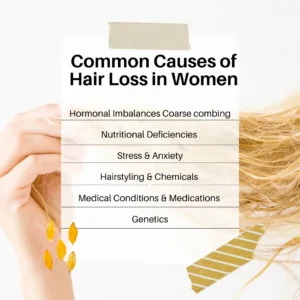
Before jumping into treatments, it’s important to first understand why hair fall happens. Hair loss isn’t just about weak strands—it’s usually a signal from your body that something deeper needs attention. Let’s look at the most common causes:
1. Hormonal Imbalances
Hormones play a huge role in regulating hair growth. When they shift, so does your hair health.
-
PCOS (Polycystic Ovary Syndrome): Women with PCOS often experience thinning hair on the scalp due to increased androgen (male hormone) levels.
-
Thyroid Disorders: Both hypothyroidism (low thyroid) and hyperthyroidism (overactive thyroid) can cause excessive shedding.
-
Post-Pregnancy & Menopause: Many women experience sudden hair fall after childbirth or during menopause due to hormonal fluctuations.
Example: A new mother may notice clumps of hair falling out three to four months after delivery. This is called postpartum hair loss, and while it looks scary, it usually settles within a year.
2. Nutritional Deficiencies
Your hair is made up of protein (keratin), and it needs the right nutrients to grow strong. When your diet lacks essential vitamins and minerals, your hair shows the first signs.
-
Iron Deficiency (Anemia): Leads to weak roots and excessive hair fall.
-
Vitamin D Deficiency: Affects the hair growth cycle and is linked with thinning.
-
Vitamin B12 Deficiency: Disrupts oxygen supply to hair follicles, causing dullness and shedding.
-
Protein Deficiency: Low intake of protein-rich foods like pulses, eggs, and nuts weakens hair structure.
Example: A vegetarian woman not consuming enough iron or B12 may notice persistent shedding until she corrects her diet.
3. Stress & Anxiety
Mental health directly affects physical health—and hair is no exception. Chronic stress triggers a condition called telogen effluvium, where a large number of hair follicles enter the resting phase at once, leading to sudden shedding.
-
Emotional stress (loss, work pressure, anxiety)
-
Physical stress (illness, surgery, rapid weight loss)
Tip: Women often notice hair loss 2–3 months after a stressful event. Managing stress through yoga, meditation, or regular exercise can significantly improve hair growth.
4. Hairstyling & Chemicals
Your daily hair care routine might be harming your hair more than helping it.
-
Heat Styling Tools: Blow-dryers, straighteners, and curling rods damage the hair shaft.
-
Chemical Treatments: Regular coloring, rebonding, or keratin treatments weaken hair roots.
-
Tight Hairstyles: Constantly tying hair in tight ponytails or buns causes traction alopecia (hair loss due to pulling).
Example: A woman who straightens her hair daily may notice split ends, dryness, and thinning after a few months.
5. Medical Conditions & Medications
Some underlying medical issues can directly lead to hair fall.
-
Autoimmune Disorders: In conditions like alopecia areata, the immune system mistakenly attacks hair follicles.
-
Medications: Chemotherapy drugs, antidepressants, and blood thinners often list hair loss as a side effect.
6. Genetics
If your mother or grandmother had thinning hair as they aged, there’s a chance you may experience it too. Female Pattern Hair Loss (Androgenetic Alopecia) is a hereditary condition that usually starts with widening of the hair parting and gradual thinning over time.
👉 Why this matters:
Understanding your root cause is the first step toward choosing the right treatment. For example, if hair loss is due to iron deficiency, taking supplements helps. But if it’s genetic, Ayurvedic oils or medical treatments may be more effective.
What is the Treatment for Hair Loss? (Complete Guide)
In Ayurveda, hair health is closely linked to dosha balance, especially Pitta dosha.
-
Excess Pitta (heat and metabolism) leads to premature graying, thinning, and hair fall.
-
Vata imbalance causes dryness, frizz, and hair breakage.
-
Kapha imbalance leads to oily scalp, dandruff, and hair fall.
Ayurvedic Principles for Hair Health
-
Nourish the Scalp with herbal oils like Bhringraj, Amla, and Brahmi.
-
Detoxify the Body through Panchakarma therapies like Nasya and Shirodhara.
-
Balance Diet & Lifestyle to reduce stress, improve digestion, and strengthen hair roots.
Best Ayurvedic Home Remedies for Hair Loss
Ayurveda offers natural remedies that strengthen the hair roots, improve blood circulation to the scalp, and promote regrowth.
1. Bhringraj Oil Massage
Known as the “King of Herbs for Hair,” Bhringraj nourishes follicles and reduces hair fall. Warm the oil slightly and massage your scalp 2–3 times a week.
2. Amla (Indian Gooseberry)
Rich in Vitamin C and antioxidants, Amla strengthens hair and prevents premature graying. Drink fresh Amla juice daily or use Amla hair oil.
3. Fenugreek Seeds (Methi Dana)
Soak overnight, grind into a paste, and apply on scalp. It reduces dandruff and strengthens hair follicles.
4. Aloe Vera Gel
Balances scalp pH, reduces itching, and promotes hair regrowth. Apply fresh aloe gel to the scalp twice a week.
5. Onion Juice Therapy
Sulfur in onion juice improves blood circulation and stimulates new hair growth.
6. Shirodhara Therapy
An Ayurvedic Panchakarma treatment where medicated oils are poured on the forehead to calm the mind and reduce stress-related hair fall.
Modern Treatments for Hair Loss
While Ayurveda and natural remedies provide long-term, holistic healing, modern medical science also offers treatments that can deliver faster or more targeted results. These methods are usually recommended when hair fall is severe, genetic, or not responding to home care. Let’s break down the most common options:
1. PRP Therapy (Platelet-Rich Plasma)
PRP has become one of the most talked-about treatments in dermatology clinics today. In this therapy:
-
A small amount of your blood is drawn.
-
It is processed to separate platelet-rich plasma, which is loaded with growth factors.
-
This plasma is then injected into your scalp to stimulate dormant hair follicles.
Pros:
-
Uses your body’s own healing mechanism.
-
Can improve thickness and reduce shedding within months.
Cons:
-
Expensive (multiple sessions are needed).
-
May cause mild swelling or discomfort.
💡 Best suited for: Women with thinning hair or early-stage hair loss, rather than complete baldness.
2. Minoxidil (Topical Solution)
Minoxidil is one of the only FDA-approved treatments for hair loss in women. Available as a liquid or foam, it works by improving blood flow to hair follicles and prolonging the growth phase.
Pros:
-
Easily available over-the-counter.
-
Helps slow down hair loss and may promote regrowth.
Cons:
-
Must be applied consistently (once you stop, hair fall can return).
-
Some women experience scalp irritation or unwanted facial hair.
💡 Best suited for: Women with female pattern hair loss or diffuse thinning.
3. Oral Medications
For women whose hair loss is linked to hormonal imbalances, doctors may prescribe medications like:
-
Spironolactone: Blocks the effect of androgens (male hormones) that cause thinning.
-
Finasteride: More commonly prescribed for men, but in certain cases, women may also be given low doses under medical supervision.
Pros:
-
Targets the hormonal root cause of hair loss.
Cons:
-
Can have side effects like irregular periods, low blood pressure, or mood changes.
-
Must be taken strictly under medical advice—never self-prescribe.
💡 Best suited for: Women with PCOS, androgenetic alopecia, or hormone-related hair thinning.
4. Laser Therapy
Low-level laser devices (combs, helmets, caps) are designed to stimulate the scalp with red light. This improves circulation and cellular activity in the hair follicles.
Pros:
-
Painless and non-invasive.
-
Can be done at home with portable devices.
Cons:
-
Results vary widely; not effective for everyone.
-
Devices can be costly and require regular use.
💡 Best suited for: Women with mild to moderate thinning, not advanced baldness.
5. Hair Transplant
In severe cases of female pattern baldness, when other treatments fail, a hair transplant may be considered. This surgical procedure involves taking hair follicles from thicker areas (like the back of the scalp) and implanting them into thinning zones.
Pros:
-
Permanent solution if successful.
-
Natural-looking results when done by experts.
Cons:
-
Very expensive and invasive.
-
Not suitable for women with diffuse thinning across the entire scalp.
Best suited for: Women with localized bald patches and good donor hair availability.
👉 Important Note:
These modern treatments can deliver impressive results, but they must be done under proper medical guidance. Many of them also come with potential side effects, so it’s always wise to consult a dermatologist or trichologist before starting.
Modern medicine offers multiple options like PRP therapy, Minoxidil, and laser treatment. However, the right choice depends on your health condition, type of hair loss, and medical history. According to the Mayo Clinic, it’s important to consult a dermatologist before starting any advanced treatment, since results and side effects can vary.
Diet & Nutrition for Healthy Hair
“What to eat for hair growth?” is a very common question. Nutrition plays a huge role in hair health.
Essential Nutrients for Hair Growth
-
Protein – Hair is made of keratin, a type of protein. Include eggs, paneer, lentils, nuts, and fish.
-
Iron – Prevents hair thinning. Eat spinach, beetroot, pomegranate, and legumes.
-
Vitamin B12 & Biotin – Found in dairy, whole grains, and eggs. Essential for strong hair.
-
Omega-3 Fatty Acids – Improves scalp health. Found in flaxseeds, walnuts, and fatty fish.
-
Vitamin D – Sunlight is the best source; also include fortified foods.
-
Zinc & Selenium – Supports scalp health and reduces dandruff.
Ayurvedic Diet Tips for Hair
-
Avoid excessive spicy, oily, and junk food (aggravates Pitta).
-
Drink plenty of water to keep scalp hydrated.
-
Include Amla, curry leaves, sesame seeds, and coconut in diet.
Lifestyle Changes to Control Hair Loss
-
Reduce Stress – Practice yoga, pranayama, and meditation daily.
-
Proper Sleep – 7–8 hours of sound sleep rejuvenates hair cells.
-
Avoid Over-Styling – Reduce use of heat tools and harsh chemicals.
-
Mild Herbal Shampoos – Use natural cleansers with reetha, shikakai, or neem.
-
Scalp Care – Regular oil massage improves blood circulation and nourishes roots.
FAQs on Hair Loss Treatment
1. What is the cause of hair loss in females?
Common causes include hormonal changes, nutritional deficiencies, stress, thyroid disorders, and excessive hairstyling.
2. Can low B12 cause hair loss?
Yes. Low Vitamin B12 leads to poor oxygen supply to hair follicles, causing thinning and shedding.
3. Can hair grow back after thinning?
Yes, in many cases. With proper Ayurvedic remedies, diet, and modern treatments, regrowth is possible unless hair follicles are permanently damaged.
4. What blood tests are done for hair loss?
Doctors usually recommend CBC, thyroid panel, Vitamin D, Vitamin B12, and iron profile tests.
5. Which oil is best for hair growth?
Bhringraj, Amla, Brahmi, and coconut oil are considered best in Ayurveda.
Conclusion
So, what is the treatment for hair loss?
The best treatment depends on the cause. Ayurveda focuses on balancing doshas, detoxifying the body, and nourishing the scalp with herbs like Bhringraj, Amla, and Fenugreek. Modern science offers quick solutions like PRP, Minoxidil, and laser therapy.
But the real success comes when you combine both approaches—a balanced diet, stress management, Ayurvedic remedies, and, if needed, medical treatment.
If you’re struggling with hair fall, don’t ignore it. Early action can help you stop hair loss naturally and restore strong, healthy hair.
👉 Want to know more about Ayurvedic treatments for female hair fall? Check out our detailed guide here: [How to Stop Hair Fall Female – Ayurvedic Remedies That Work]

