Picture this: you wake up with a scratchy throat, a slightly heavy head, and that dreaded feeling that a cold is on its way. Before you reach for a pill, your grandmother’s voice echoes in your head — “Kadha pee lo.”
For generations of Indian families, that warm, aromatic cup of herbal kadha has been the first line of defence against illness. And today, in an age of antibiotic resistance, rising stress levels, and post-pandemic health awareness, millions of people across India — and the world — are rediscovering this ancient Ayurvedic wisdom.
In this article, you’ll learn everything you need to know about kadha for immunity: what it is, the science behind its key ingredients, proven benefits, easy recipes you can make at home, and who should be careful about consuming it. Whether you’re a curious first-timer or someone who grew up drinking kadha and wants to understand why it actually works, this guide is for you.
What Is Kadha? Understanding This Ancient Ayurvedic Decoction
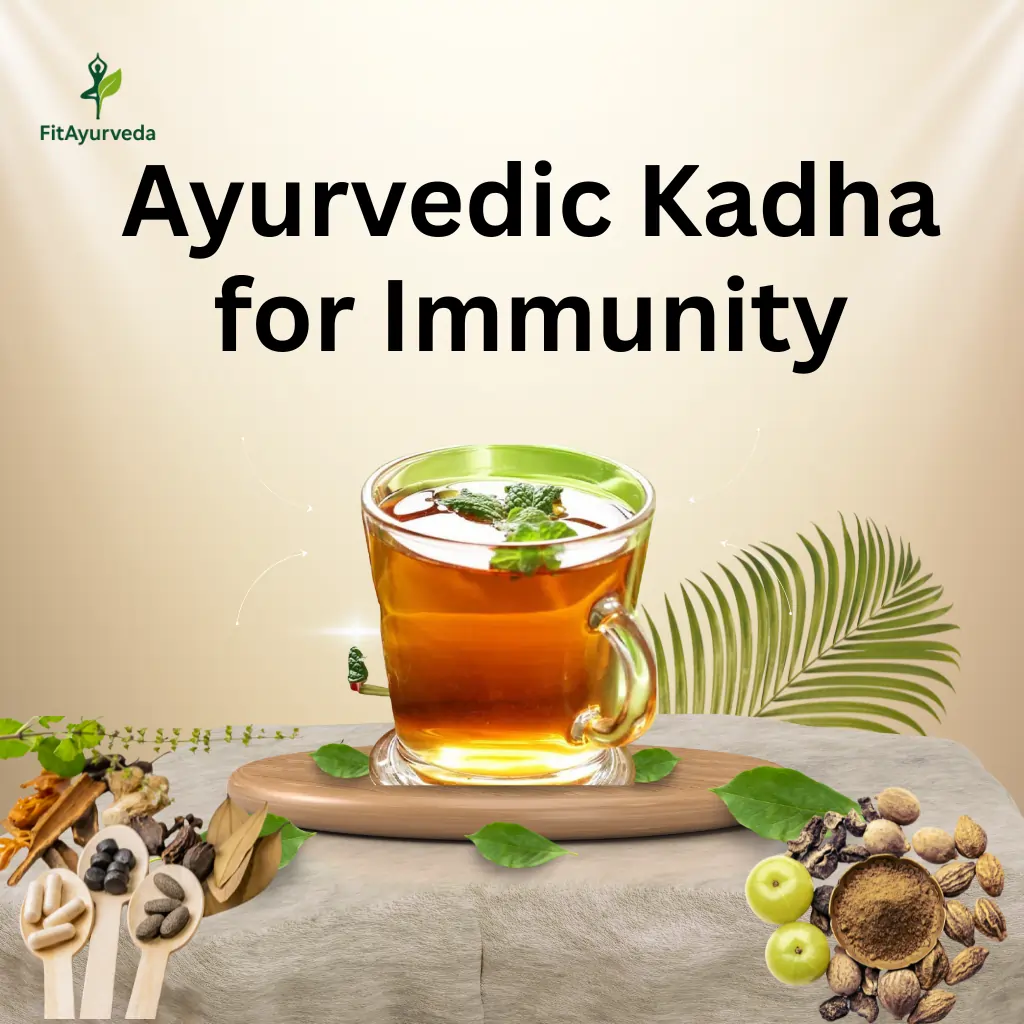
Kadha (also spelt karha or kwath) is a traditional herbal decoction made by simmering a combination of medicinal herbs, spices, and roots in water. The slow-boiling process extracts bioactive compounds from each ingredient, creating a concentrated, therapeutic drink.
The practice of making kadha is rooted in Ayurveda — India’s 5,000-year-old system of natural medicine. Ancient Ayurvedic texts classify it as one of the most potent and effective forms of herbal medicine because boiling enhances the bioavailability of healing compounds in a way that simply eating or chewing the raw spices cannot.
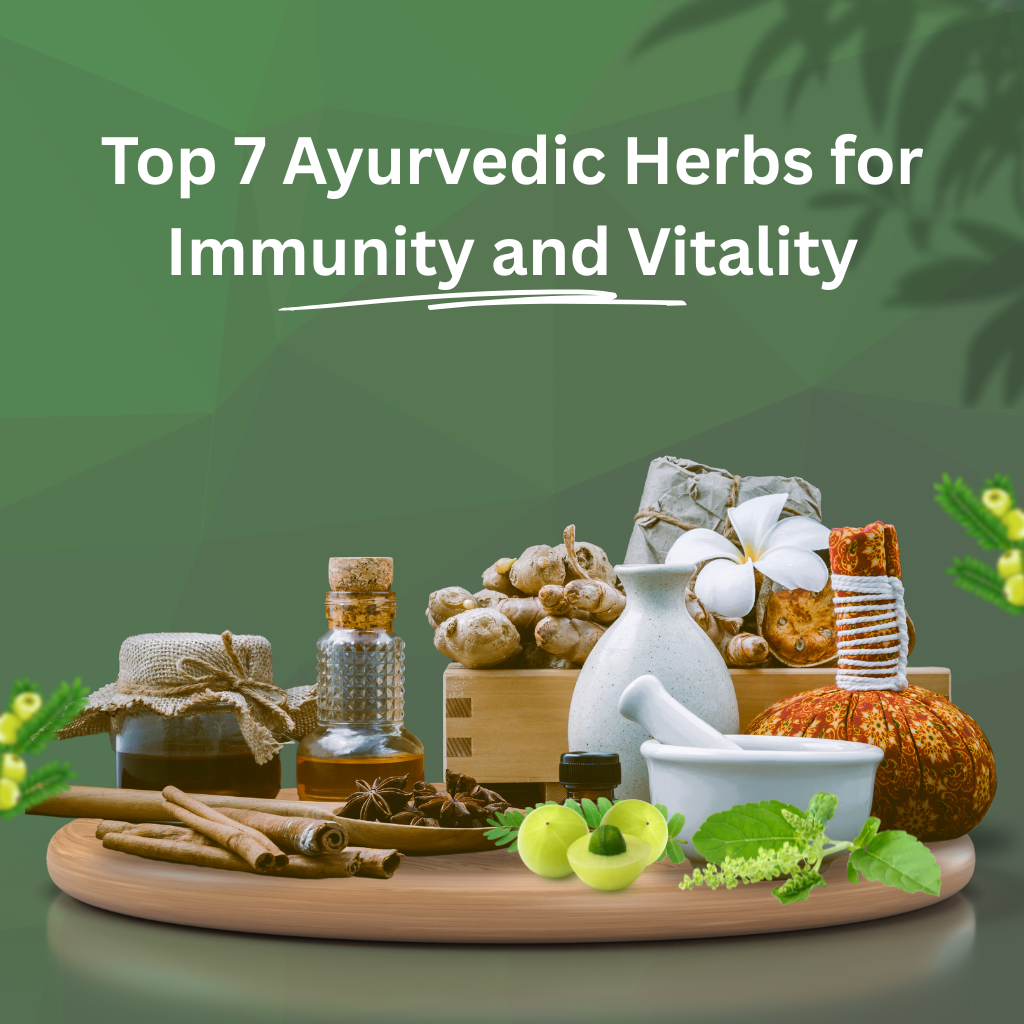
What makes kadha especially remarkable is its accessibility. Most of its ingredients are already sitting in your kitchen: ginger, turmeric, black pepper, cloves, tulsi, and cinnamon. There are no exotic imports or expensive supplements required. This is genuinely a recipe born of Indian ingenuity and centuries of observational wisdom.
During the COVID-19 pandemic, kadha had a massive resurgence in India. The Ministry of AYUSH (Ayurveda, Yoga & Naturopathy, Unani, Siddha, and Homoeopathy) officially recommended a herbal kadha as a preventive measure — validating what Indian grandmothers had known all along.
Key Ingredients in Immunity-Boosting Kadha and Why They Work
Not all kadhas are the same. Recipes vary by region, season, and health goal. But the most effective immunity-boosting kadha recipes share a core set of ingredients, each with well-documented therapeutic properties.
Tulsi (Holy Basil) — The Queen of Herbs
Tulsi is arguably the most revered herb in Indian culture, and for good reason. It is packed with antioxidants and has proven anti-viral, anti-bacterial, and anti-inflammatory properties. Tulsi helps the respiratory system clear mucus, soothes a sore throat, and has been shown in research to modulate the immune response. Many Indian homes grow a tulsi plant in their courtyard — it’s literally medicine at arm’s reach.
Ginger (Adrak) — Nature’s Anti-Inflammatory
Fresh ginger contains gingerol, a bioactive compound with powerful medicinal properties. It reduces inflammation, supports digestion, eases nausea, and has demonstrated anti-viral activity in several studies. In Ayurveda, ginger is considered a universal medicine (vishwabheshaja) because it balances all three doshas. For kadha, fresh ginger is preferred over powder for maximum potency.
Turmeric (Haldi) — The Golden Healer
Curcumin, turmeric’s active ingredient, is one of the most studied anti-inflammatory compounds in the world. It supports immune cell activity, acts as a powerful antioxidant, and helps the body fight both bacterial and viral infections. One important tip: always pair turmeric with black pepper in your kadha. Black pepper contains piperine, which increases curcumin absorption by up to 2,000%.
Black Pepper (Kali Mirch) — The Bioavailability Booster
Beyond enhancing turmeric absorption, black pepper itself is antioxidant-rich and helps clear congestion. It stimulates the production of digestive enzymes and has demonstrated antimicrobial properties. A small amount goes a long way in kadha.
Cloves (Laung) — The Antioxidant Powerhouse
Cloves have one of the highest antioxidant concentrations of any spice. They contain eugenol, a compound with antiseptic, anti-inflammatory, and analgesic properties. Cloves are particularly helpful for sore throats and early respiratory symptoms.
Cinnamon (Dalchini) — Blood Sugar and Immunity Support
Cinnamon has long been used in Ayurvedic medicine for its warming properties. It helps balance blood sugar, reduces inflammation, and has demonstrated antimicrobial effects against common pathogens. It also gives kadha a pleasant flavour that makes the drink easier to enjoy.
Mulethi (Liquorice Root) — The Soothing Adaptogen
Mulethi is a powerful adaptogen that helps the body manage stress, which directly impacts immune function. It soothes inflamed mucous membranes, making it especially effective for respiratory issues and persistent coughs.
Honey — The Natural Healer’s Sweetener
A teaspoon of raw honey added after the kadha cools slightly (never while boiling — heat destroys its enzymes) adds antimicrobial properties, soothes the throat, and makes the drink more palatable. Honey also has mild prebiotic properties that support gut health, which is central to immunity.
5 Powerful Benefits of Kadha for Immunity
The benefits of kadha for immunity go well beyond just fighting a cold. Here’s what regular consumption can do for your body:
1. Strengthens Your Immune System at the Cellular Level
The synergistic combination of herbs in kadha works on multiple fronts of the immune system simultaneously. Tulsi and ginger boost the production of immune cells, turmeric and cloves reduce chronic inflammation that weakens immunity over time, and black pepper ensures your body absorbs all these benefits efficiently. This multi-pronged approach is what makes kadha more effective than taking a single supplement in isolation.
2. Provides Natural Relief from Cold, Cough, and Sore Throat
This is the most widely known benefit and the one most people experience firsthand. The hot liquid itself helps loosen mucus and relieve congestion. The volatile oils from tulsi and ginger act as natural decongestants, and the antimicrobial compounds in cloves and mulethi directly fight the pathogens causing your symptoms. Most people notice significant relief within 24–48 hours of regular consumption.
3. Supports Gut Health — Your Second Immune System
Did you know that roughly 70% of your immune system lives in your gut? Ginger, cinnamon, and black pepper stimulate the production of digestive enzymes and improve gut motility. A healthy gut microbiome means a stronger immune response. Kadha, particularly when consumed warm, helps reduce bloating, acidity, and indigestion — all of which signal an imbalanced gut that can compromise immunity.
4. Acts as a Natural Detoxifier
The bioactive compounds in kadha support liver function, promote healthy sweating, and help the body eliminate toxins more efficiently. This detoxification effect is particularly noticeable after the change of seasons — a time when illness is most common in India. Regular kadha consumption during Ritu Sandhi (seasonal transitions) is an ancient Ayurvedic practice for exactly this reason.5Reduces 5.Stress and Supports Mental Well-being
Chronic stress is one of the biggest silent killers of immunity. Adaptogenic herbs like mulethi and tulsi help regulate cortisol levels, the body’s primary stress hormone. A warm cup of kadha in the evening also has a ritualistic, calming quality — the act of making it and sipping it slowly creates a mindful pause in a busy day. Several studies have confirmed a strong link between stress management and immune resilience.
Also Read: Best Ashwagandha for Immunity: Benefits, Dosage & Results
How to Make Kadha at Home: Two Easy Recipes
Classic Immunity Kadha (The Everyday Recipe)
This is the recipe most similar to what the Ministry of AYUSH recommended, and it’s the best starting point for beginners.
Ingredients:
- 2 cups of water
- 4–5 fresh tulsi leaves
- 1-inch piece of fresh ginger, crushed
- ½ teaspoon turmeric powder
- ¼ teaspoon black pepper (freshly crushed)
- 2 cloves
- 1 small cinnamon stick
- 1 teaspoon honey (added after cooling slightly)
Method:
- Bring the water to a boil in a small saucepan.
- Add all ingredients except honey.
- Let the mixture simmer on low heat for 10–12 minutes until the water reduces to about 1 cup.
- Strain into a cup, let it cool for 2 minutes, then stir in honey.
- Sip slowly while warm.
Best consumed: once daily in the morning or evening. Not on an empty stomach if you’re prone to acidity.
Winter Kadha with Giloy and Amla (Advanced Recipe)
This recipe is particularly effective during the winter months and for those with frequent low immunity.
Ingredients:
- 2 cups of water
- 1-inch giloy stem (or ½ tsp giloy powder)
- 1 tsp amla (Indian gooseberry) powder
- 4 tulsi leaves
- ½ inch ginger
- ¼ tsp turmeric
- 2 cardamom pods, crushed
- ¼ tsp black pepper
- Honey to taste
Method: Same as above, but simmer for 15 minutes to ensure giloy’s compounds are fully extracted. Strain and drink warm.
Note: Giloy is a powerful immunomodulator but should be consumed in moderation — not more than 2–3 times per week — especially by those with autoimmune conditions.
When and How Often Should You Drink Kadha?
One of the most common questions people ask is: How much kadha is too much?
Ayurveda always emphasises balance. Kadha is medicine, not a casual beverage, and overconsumption can lead to issues like:
- Acidity or heartburn (especially from excess ginger and black pepper)
- Nosebleeds in some individuals from overly concentrated preparations
- Liver stress if highly concentrated decoctions are consumed daily for extended periods
General guidelines for most healthy adults:
- During illness or at the start of symptoms: once or twice daily for 3–5 days
- As a preventive measure: 2–3 times per week, especially during seasonal changes
- During winter: can be consumed daily, but in moderate quantities (1 cup per serving)
Best time to drink kadha: Most Ayurvedic practitioners recommend the evening for general wellness, though morning (not on an empty stomach) works well for those targeting respiratory health.
Read More: Ayurvedic Kadha for Immunity: Benefits, Recipe, Dosage & Expert Tips
Who Should Be Careful with Kadha? Important Precautions
Kadha is safe for most healthy adults, but certain groups need to exercise caution:
Pregnant women: Several kadha ingredients — particularly in large doses — may not be safe during pregnancy. Always consult an Ayurvedic doctor or your gynaecologist before consuming medicinal kadha during pregnancy.
Children under 5: The concentration of spices can be too strong for young children. Milder versions with just tulsi and honey in warm water are safer alternatives.
People with autoimmune conditions: Giloy and certain adaptogens in kadha can stimulate immune activity, which may be counterproductive for people with conditions like lupus or rheumatoid arthritis.
Those on blood-thinning medications: Ginger and turmeric have mild blood-thinning properties. If you’re on anticoagulants, check with your doctor before making kadha a daily habit.
People with peptic ulcers or severe acidity: The heating quality of ginger, black pepper, and cloves can aggravate these conditions.
Kadha vs. Other Immunity Supplements: How Does It Compare?
The wellness market today is flooded with immunity supplements — vitamin C tablets, zinc capsules, elderberry syrups, probiotic drinks. How does traditional kadha stack up?
The honest answer is that kadha works differently rather than better or worse than isolated supplements. Here’s how:
| Feature | Kadha | Synthetic Supplements |
| Bioavailability | High (whole herbs, synergistic compounds) | Variable (depends on formulation) |
| Side effects | Minimal when used correctly | Can cause toxicity at high doses |
| Cost | Very affordable | Moderate to expensive |
| Customisation | Highly adaptable to individual needs | Fixed formulation |
| Accessibility | Available in every Indian kitchen | Requires purchase |
| Scientific backing | Growing body of research | Extensive for isolated nutrients |
The real advantage of kadha lies in its synergy — multiple herbs working together in ways that single-compound supplements cannot replicate. The disadvantage is that it requires preparation and the potency can vary based on ingredient quality and preparation method.
For most people in India, the ideal approach is to use kadha as a foundational daily wellness ritual alongside a balanced diet, while using targeted supplements for specific deficiencies identified through blood work.
FAQ: Common Questions About Kadha for Immunity
Q1: Can I drink kadha every day?
Yes, most healthy adults can consume a moderate serving of kadha (1 cup) daily, especially during winter or illness-prone seasons. However, it’s wise to take a 1–2 week break after every 3–4 weeks of daily use to prevent the body from adapting to it and to avoid the accumulation of strongly heating compounds.
Q2: What is the best kadha recipe for immunity specifically?
The most effective immunity-boosting kadha combines tulsi, ginger, turmeric, black pepper, cloves, and cinnamon with a teaspoon of honey added after cooling. If you want a more potent version, add giloy and amla. Avoid overcrowding the recipe — 5–6 well-chosen ingredients work better than 15 mediocre ones.
Q3: Can children drink kadha?
Children above 5 years can have a milder version of kadha — fewer spices, more tulsi and honey, and in smaller quantities (½ cup). Children under 5 should stick to plain warm tulsi water with a little honey. Always introduce new herbs gradually and observe for any reactions.
Q4: Does kadha actually work against viral infections like the flu?
Kadha is not a cure for viral infections, but several of its key ingredients — particularly tulsi, ginger, and black pepper — have demonstrated anti-viral activity in laboratory and clinical studies. It is best understood as an immune system supporter that helps your body fight infections more efficiently. It can reduce the severity and duration of common colds and flu when consumed at the onset of symptoms.
Q5: Is store-bought kadha powder as effective as homemade?
Good quality ready-made kadha powders and mixes can be convenient and reasonably effective, especially when made with authentic Ayurvedic ingredients. However, fresh ingredients — particularly fresh ginger and tulsi — will always have higher potency than dried and powdered equivalents. If convenience is a priority, choose brands that are transparent about their ingredient sources and avoid those with added sugar or artificial flavours.
Conclusion: Make Kadha Your Daily Immunity Ritual
There’s something deeply reassuring about a remedy that has survived 5,000 years of human experience. Kadha isn’t a fad or a wellness trend manufactured in a marketing boardroom. It’s the accumulated wisdom of generations of Ayurvedic practitioners, passed through families, tested through centuries of real-world use.
The benefits of kadha for immunity are both traditional and increasingly backed by modern research. It strengthens your body’s natural defences, supports gut health, reduces inflammation, detoxifies naturally, and even helps manage stress — all from a handful of ingredients that have been sitting in your kitchen spice box your whole life.
In a country like India, where Ayurveda is part of our cultural DNA, embracing kadha as a regular wellness habit is not a step backwards — it’s a return to something we should never have walked away from.
Ready to start your kadha journey?
Begin with the Classic Immunity Kadha recipe in this article. Try it 3–4 times this week. Pay attention to how you feel — your energy, your digestion, the quality of your sleep. Then, as you get comfortable with the basic recipe, experiment with seasonal additions like giloy in winter or amla during summer.
Share this article with a family member who still remembers the smell of their grandmother’s kadha — and maybe together, you can bring that tradition back to your home.
Disclaimer: This article is for informational and educational purposes only. Kadha is a traditional wellness drink, not a medical treatment. If you have any underlying health condition or are on medication, consult a qualified Ayurvedic practitioner or medical doctor before making kadha a regular part of your routine.
Follow US On Instagram For More Healthy Tips